연락처 정보
지이일렉은 글로벌 유통업체와 프로젝트 계약업체를 위한 변압기 및 케이블 액세서리를 공급합니다. 기술 선택 및 RFQ 지원은 당사에 문의하세요.
주소:
리우시, 웨칭, 원저우, 저장성, 중국
전화 / WhatsApp / 위챗:
+86 150 5877 8024
이메일:
[email protected]


안정적인 품질, 실용적인 리드 타임, 수출 지원으로 공장에서 직접 부품을 조달하세요.
아래 양식을 작성하여 카탈로그와 가격을 받아보세요.

 으로요요시
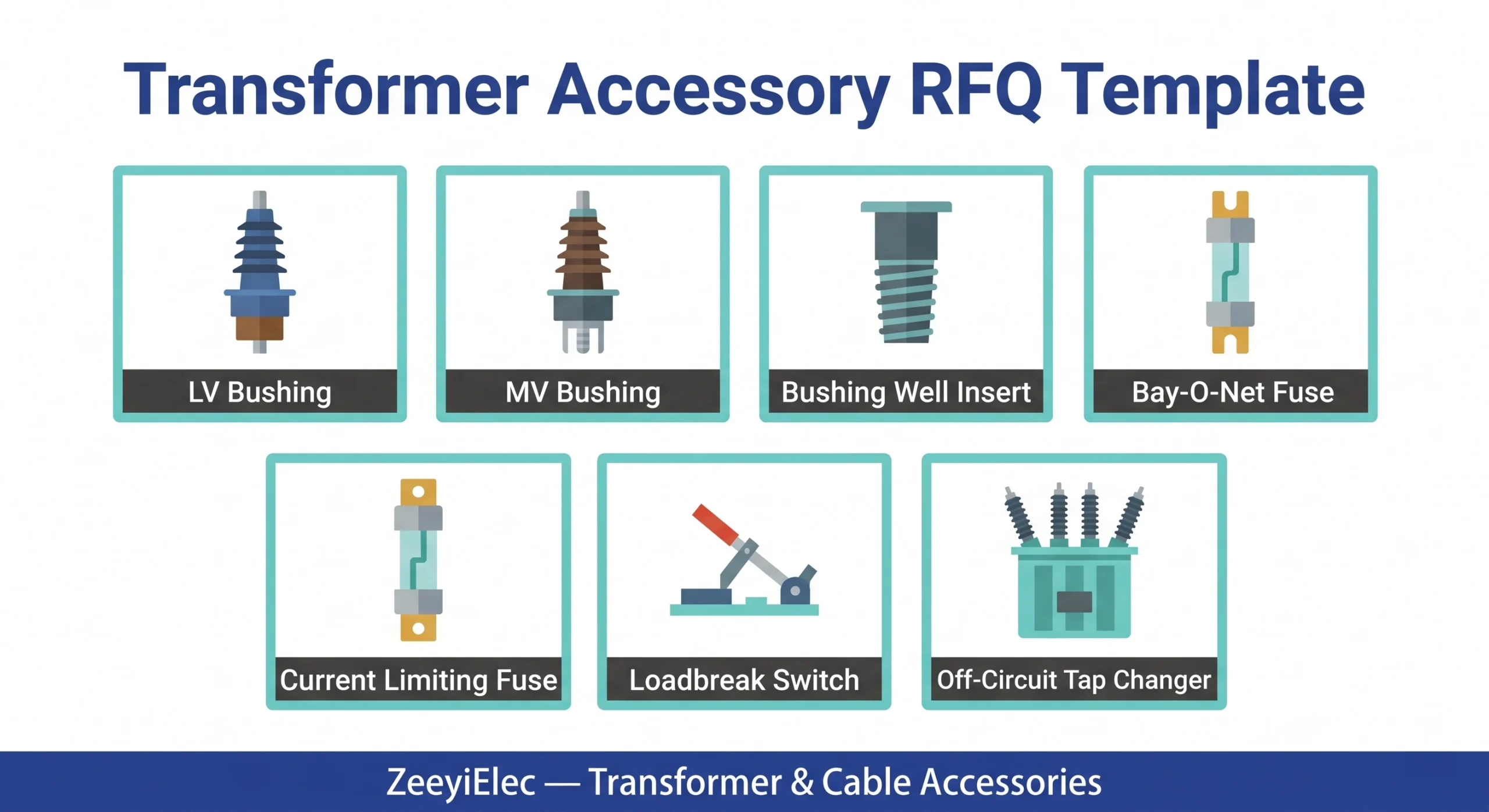
으로요요시전체 변압기 액세서리 RFQ에는 변압기 명판 데이터(kVA, HV/LV 전압, 벡터 그룹, 냉각 유형), 최고 시스템 전압 Um(kV), BIL(kVp), 현장 조건(고도, 오염 등급, 주변 온도), 제품군별 예비 비율이 포함된 수량, 7개 제품군에 대한 LV/MV 부싱, 부싱 웰 인서트, Bay-O-Net 퓨즈, 전류 제한 퓨즈, 부하 차단 스위치 및 오프 회로 탭 체인저의 액세서리별 파라미터 필드 등이 모두 포함되어야 합니다.
조달 팀은 변압기 액세서리 주문에 필요한 세부 사양을 과소평가하는 경우가 많습니다. 명판에는 부싱 BIL, 퓨즈 조정 임계값, 탭 체인저 정격 전류 또는 오염 등급이 명시되지 않은 kVA 정격 및 전압 비율만 제공됩니다. 이러한 매개변수가 누락된 경우 공급업체는 추측하거나 설명을 요청하거나 사용 가능한 가장 가까운 구성을 배송합니다. 현장 데이터는 위조품이나 제조 결함이 아닌 불완전한 RFQ를 액세서리 불일치의 주요 원인으로 일관되게 지적합니다.
두 가지 조달 실패 시나리오가 비용을 설명합니다:
한 프로젝트에서 BIL을 확인하지 않고 “35kV급 부싱”을 지정했습니다. 공급업체는 170kVp 유닛을 배송했지만 절연 조정 연구에서는 200kVp가 필요했습니다. 교체 유닛은 재제조가 필요했습니다. 시운전이 23일 지연되었습니다.
15kV에서 83A 풀로드 1차측 전류가 흐르는 변압기에 대해 65A에서 Bay-O-Net 퓨즈 링크가 선택되었습니다. 변압기에 전원이 공급되기 전에 조정 마진이 음수였습니다. 두 퓨즈 액세서리 모두 교체가 필요했습니다.
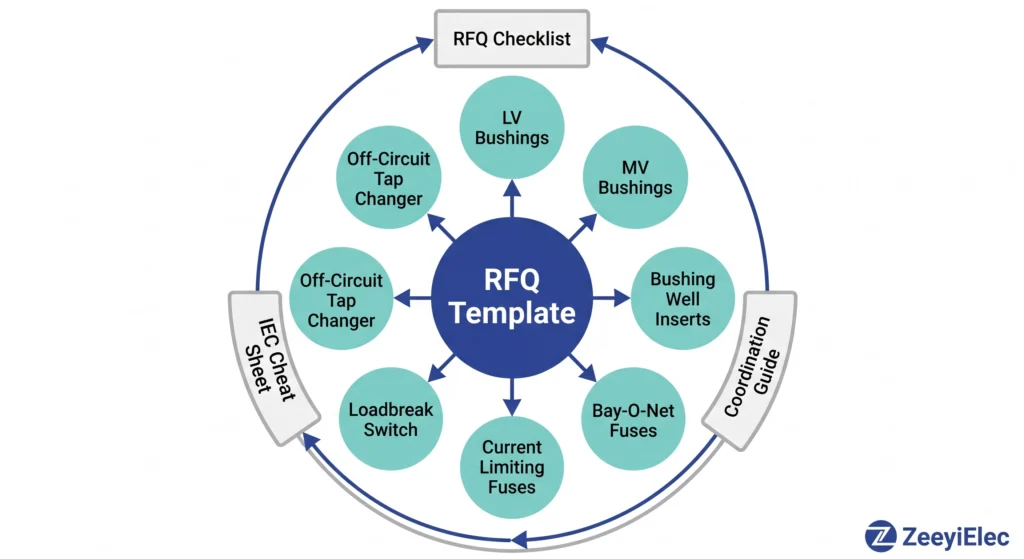
아래 섹션에서는 다음을 통해 제공되는 7가지 변압기 액세서리 제품군 전체에 걸쳐 필수, 조건부 및 선택 필드로 사양을 구성합니다. 지이일렉의 변압기 액세서리 제품군.
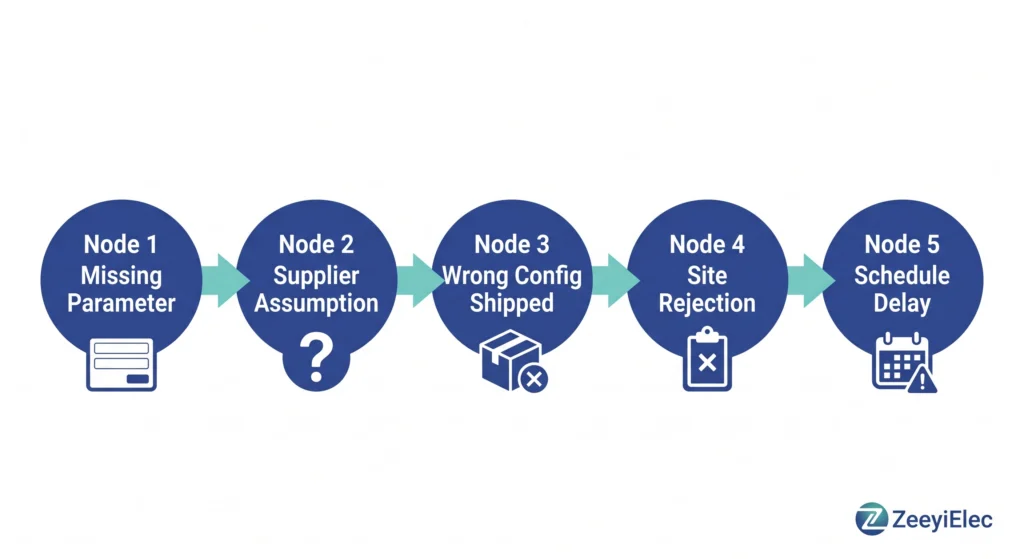
이 템플릿은 10~35kV 범위의 7가지 변압기 액세서리 제품군을 다룹니다. 섹션을 완료하기 전에 변압기 명판 데이터를 사용할 수 있는지 확인하십시오. 확인된 명판 없이 퓨즈 링크 또는 탭 체인저 단계의 크기를 조정하려고 하면 모든 다운스트림 필드에 전파되는 사양 오류가 발생하게 됩니다.
각 섹션에서는 필수, 조건부 및 선택 필드를 지정합니다. 필수 필드는 제출 전에 반드시 작성해야 하며, 조건부 필드는 특정 구성을 선택한 경우에만 적용되고, 선택적 필드는 견적 정확도를 향상시키지만 유효한 공급업체 응답을 차단하지는 않습니다. 부하시 탭 절환장치, 보호 계전기, 변압기 오일 및 케이블 액세서리는 이 템플릿의 범위에서 제외됩니다.
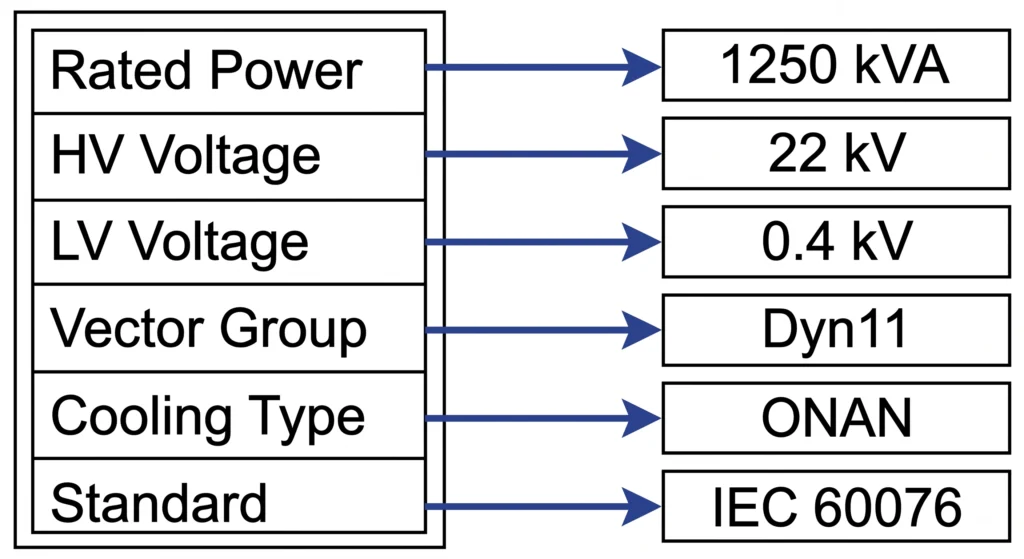
모든 RFQ에는 액세서리별 필드를 다루기 전에 헤더 블록을 작성해야 합니다. 공급업체는 이를 사용하여 전체 액세서리 범위에서 호환성을 확인하고 제조를 시작하기 전에 구성 충돌을 표시합니다.
| 필드 | 항목 예시 | 참고 |
|---|---|---|
| 정격 전력 | 1,250 kVA | 대형 유닛의 MVA 확인 |
| HV 전압 | 22kV | 공칭 - 최고 시스템 전압이 아님 |
| LV 전압 | 0.4kV | 보조 와인딩 출력 |
| 벡터 그룹 | Dyn11 | 부싱 위상 배열에 영향을 미칩니다. |
| 냉각 유형 | ONAN | 오난/오나프/오파프 |
| 적용 표준 | IEC 60076 | 또는 ANSI/IEEE C57 시리즈 |
최고 시스템 전압 Um은 공칭 전압과 별도로 명시해야 합니다. 22kV 공칭 시스템의 경우 Um은 일반적으로 24kV에 도달하며 이 값은 부싱 연면거리 및 BIL 선택에 직접적으로 영향을 미칩니다.
기본 절연 수준(BIL)은 kV 단위로 명시해야 합니다.p. 24kV U의 경우m 클래스, 표준 BIL 값은 125kV입니다.p 또는 145kVp 절연 조정 연구에 따라 다릅니다. 부싱 및 퓨즈 섹션을 완료하기 전에 어느 것이 적용되는지 확인하세요. [표준 확인: IEC 60071-1 절연 코디네이션 확인 BIL 표를 참조하세요.m = 24kV]
추가 필수 사이트 필드: 설치 고도(미터) 유전체 경감 1,000m 이상 적용, 열대 및 사막 현장의 최대 주변 온도(°C) 일반 범위 40°C~50°C, IEC 클래스 I-IV에 따른 오염 수준, 설치 환경(실내/실외/패드 장착형/폴 장착형).
고도 및 오염 등급은 변압기 액세서리 초안 RFQ에서 가장 자주 생략되는 두 가지 현장 매개변수입니다. 두 가지 모두 표준 카탈로그 부싱이 허용되는지 또는 업그레이드된 연면거리 구성이 필요한지 여부를 직접 결정합니다.
소모품 퓨즈 링크의 경우 10-15%, 부싱 및 탭 체인저와 같은 비소모품의 경우 프로젝트당 5% 또는 예비 유닛 1개를 액세서리 제품군별 예비 비율로 지정합니다. 헤더 단계 테스트 보고서, 원산지 증명서, 포장 목록 및 HS 코드 분류에서 수출 서류 요건을 확인하세요. 그리고 IEC 사양 및 조달 치트 시트 는 이러한 헤더 필드에 걸쳐 표준 정렬을 위한 병렬 참조를 제공합니다.
[전문가 인사이트]
- Um과 공칭 전압은 시스템 설계에 따라 5-15%까지 차이가 나며, 항상 부싱 및 퓨즈 사양에는 Um을 사용하고 공칭 전압만 사용하지 마십시오.
- 오염 등급 IV(매우 심함)는 연면거리가 53mm/kV 이상이어야 하며, 등급 II(25mm/kV) 등급의 카탈로그 부싱은 해안 산업 현장에서 우기 한 시즌 이내에 추적 및 고장 발생합니다.
부싱은 전기 등급, 기계적 인터페이스, 절연 재료 및 단자 구성을 동시에 확인해야 합니다. 전기적으로는 맞지만 탱크 플랜지와 치수적으로 호환되지 않는 부싱은 설치할 수 없습니다. 기계적으로 맞지만 현장 오염 등급에 비해 연면적이 불충분한 부싱은 첫 우기 내에 고장날 수 있습니다.
| 필드 | 범위 / 옵션 | 참고 |
|---|---|---|
| 전압 등급 | 1.2kV / 2.0kV / 3.0kV | 트랜스포머 LV 권선과 일치 |
| 현재 등급 | 600 A - 5,000 A+ | kVA ÷ (√3 × LV kV)에서 계산합니다. |
| 단열재 | HTN / 다공성 수지 / 도자기 / 에폭시 | 습도가 높은 현장에 선호되는 HTN |
| 터미널 구성 | 플랫 패드 / 나사산 스터드 / DIN 스페이드 | 케이블 러그 또는 버스바 인터페이스 확인 |
| 마운팅 플랜지 OD | 상태(mm) | 변압기 탱크 보어와 일치해야 함 |
0.4kV에서 LV 권선이 있는 1,000kVA 변압기의 경우 2차 전류는 위상당 약 1,443A에 도달합니다(I = S ÷ (√3 × ULV)). 1,250A 연속 정격 부싱은 공급업체가 확인한 10% 열 마진으로 최소 1,600A를 지정해야 합니다.
부싱 성능 테스트에 적용되는 표준은 다음과 같습니다. IEC 60137, 는 액체 충전 변압기의 부싱에 대한 임펄스 내성, 전력 주파수 내성 및 열전류 정격 테스트 요구 사항을 정의합니다.
| 필드 | 범위 / 옵션 | 참고 |
|---|---|---|
| 전압 등급(Um) | 12㎸/24㎸/36㎸/52㎸ | 상태 음, 공칭이 아님 |
| 현재 등급 | 55A - 3,150A | 위상별; HV 측에서 계산 |
| BIL | 75kVp - 250kVp | 단열 조정 연구 |
| 표준 인터페이스 | ANSI 포셀린 / DIN 포셀린 / 에폭시 | 변압기 OEM 선호도 확인 |
| 연면 거리 | 25mm/kV(경량) - 53mm/kV(매우 중량) | IEC 60815 오염 등급 기준 |
중동 및 동남아시아 유틸리티 입찰에서 흔히 볼 수 있는 ANSI와 IEC 공급망을 연결하는 프로젝트의 경우 인터페이스 표준을 명시적으로 확인합니다. 변압기 플랜지에서는 ANSI 및 DIN 포셀린 MV 부싱을 교체할 수 없으므로 어댑터 하드웨어 없이는 현장에서 교체할 수 없습니다.
| 필드 | 범위 / 옵션 | 참고 |
|---|---|---|
| 전압 등급 | 15/25 kV 또는 15/25/35 kV | 두 개의 표준 클래스 그룹 |
| 현재 등급 | 200 A 연속 | 데드프론트 시스템 지오메트리로 수정 |
| 팔꿈치 수용 | Y/N 확인 | 상태 로드브레이크 또는 비로드브레이크 엘보 |
RFQ 단계에서 엘보 제조업체 호환성을 확인하십시오. 완전한 착좌를 방해하는 엘보 인터페이스의 치수 차이는 통전 준비 중에만 감지할 수 있으며 배송 후 육안 검사 중에는 감지할 수 없습니다.
퓨즈 제품군의 크기를 정하기 전에 퓨즈 조정을 해결해야 합니다. 스위치 전압 등급은 공칭 전압이 아닌 Um에 대해 확인해야 합니다. 이 세 가지 제품군은 상호 의존적이며, 어느 한 제품군의 사양이 불완전하면 다른 두 제품군의 유효성에 영향을 미칩니다.
| 필드 | 범위 / 옵션 | 참고 |
|---|---|---|
| 전압 등급 | 15kV/25kV | HV 와인딩 음과 일치 |
| BIL | 150kVp | 15/25kV 클래스 표준 |
| 퓨즈 링크 전류 정격 | 6A - 200A | FLA + 유입 마진에서 크기 |
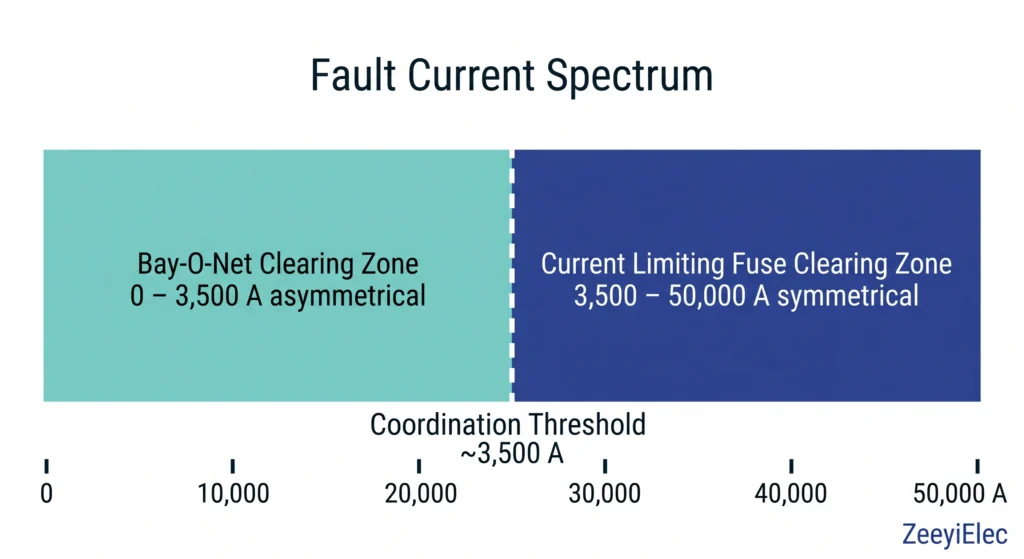
| 평가 중단 | 최대 ~3,500A 비대칭 | 퇴출 제한; 위의 CLF 핸들 |
| 핫스틱 조작성 | 필수 Y/N | 라이브 프론트 설치 시 필수 |
인클로저 간극이 제한된 패드 장착 설치의 경우, 개방형 배출 베이-O-넷 어셈블리를 지정하기 전에 배출 아크 경로에 장애물이 없는지 확인하십시오.
IEC 60282-1에 따라 변압기 보호용 전류 제한 퓨즈는 정격 전압, 연속 전류 및 최대 차단 전류 세 가지 모두 예외 없이 필수 RFQ 항목으로 지정되어야 합니다.
| 필드 | 범위 / 옵션 | 참고 |
|---|---|---|
| 시스템 전압 | 12㎸/24㎸/36㎸ | 상태 음 |
| 정격 연속 전류 | 2 A - 200 A | 변압기 HV FLA에서 크기 |
| 최대 차단 전류 | 최대 50kA 대칭 | 결함 수준 연구 대비 확인 |
| 조정 임계값 | ~2,500a - 3,500a | 보호 엔지니어와의 핸드오프 확인 |
| Let-through I²t | A²의 상태 | 와인딩 손상 평가에 필요 |
전류 제한 퓨즈의 통과 에너지는 다음과 같이 표현됩니다.2t는 A 단위로 표시됩니다.2s. 변압기 보호 조정의 경우 퓨즈 I2최대 고장 전류에서 t는 변압기의 내전압 I2단락 임피던스 Z에서 파생된 tk % 및 권선 열 시간 상수. 이 필드를 생략하면 공급업체가 보호 마진을 확인할 수 없습니다.
그리고 Bay-O-Net과 전류 제한 퓨즈 조정 가이드 는 조정된 제출물에서 두 퓨즈 섹션을 모두 완료하기 위한 기술적 기반을 제공합니다.
| 필드 | 범위 / 옵션 | 참고 |
|---|---|---|
| 전압 등급 | 15/25kV 또는 38/40.5kV | HV 시스템과 일치 음 |
| 현재 등급 | 630 연속 | 배포 클래스 표준 |
| 구성 | 2포지션 / 4포지션 | 루프 피드 애플리케이션을 위한 4-포지션 |
| 작동 모드 | 후크 스틱 / 저장 에너지 | 저장 에너지 선호 |
| 모터 오퍼레이터 | Y/N | SCADA 통합 스위칭에 필요 |
15kV 이상에서는 직접 수동 작동보다 저장 에너지 메커니즘이 선호되며, 작업자 기술에 관계없이 중단 속도가 일정하여 스위치의 수명 전반에 걸쳐 접촉 침식률을 직접적으로 감소시킵니다.
[전문가 인사이트]
- 변압기 kVA 단독으로 최대 부하 1차 전류를 계산한 다음 0.1초 동안 8-12× FLA의 돌입 마진을 곱하여 통전 시 불편한 작동을 피하기 위해 Bay-O-Net 퓨즈 링크의 크기를 결정하지 마십시오.
- 퓨즈 선택 조달 팀은 종종 이 필드를 생략하고 공급업체의 책임으로 취급하기 전에 변압기의 단락 내전압 정격에 대해 확인해야 합니다.
오프 회로 탭 체인저는 일반적으로 5개의 개별 위치 세트에서 변압기 회전율을 조정하며, 2.5% 간격으로 공칭 전압 비율을 중심으로 ±5% 조정이 가능합니다. 위치를 변경하기 전에 변압기의 전원을 완전히 차단해야 하며, 이 제약 조건이 이 섹션의 모든 파라미터에 적용됩니다.
| 필드 | 범위 / 옵션 | 참고 |
|---|---|---|
| 전압 등급 | 15kV/25kV/35kV | HV 와인딩 음과 일치 |
| 현재 등급 | 63A / 125A | 트랜스포머 HV FLA에서 선택 |
| 포지션 수 | 5(표준) | 공칭 주변 ±2 × 2.5% |
| 탭 스텝 전압 | V로 계산 | HV 권선 전압 × 단계당 2.5% |
| 회전 유형 | 선형/로터리 | 변압기 OEM 도면에서 확인 |
| 모터 오퍼레이터 | Y/N | 조건부 - 아래 참조 |
탭 스텝 전압은 RFQ 제출 전에 계산해야 합니다. 정격 HV 권선이 22kV이고 표준 5위치 탭 배열이 있는 변압기의 경우 각 2.5% 단계는 550V에 해당합니다. 전체 조정 범위는 20,900V(위치 -2)~23,100V(위치 +2), 총 2,200V에 이릅니다.AC. 스텝 전압 없이 “22kV, 5-포지션”만 지정하면 권선 호환성에 대해 아무것도 확인할 수 없습니다.
회전 유형을 확인하려면 변압기 OEM 도면 또는 제조업체의 직접 확인이 필요하며, kVA 정격 또는 전압 등급만으로는 유추할 수 없습니다. 문서화된 한 현장 사례에서는 전기 매개변수만으로 주문한 교체 탭 절환장치에 탱크 내부에서 허용하는 것보다 40% 더 많은 선형 이동 간격이 필요하여 내부 변압기를 수정하지 않고는 설치가 불가능했습니다.
| 필드 | 해당되는 경우 지정 |
|---|---|
| 모터 작동 전압 | 24 V DC / 110 V AC / 230 V AC |
| 제어 신호 유형 | 로컬/원격/SCADA 인터페이스 |
| 위치 피드백 | 4-20mA/디지털 펄스/없음 |
| 환경 인클로저 | 모터 하우징의 IP 등급 |
모든 탭 체인저 RFQ에는 공급업체의 권장 인터록 라벨링 사양을 요청해야 합니다. 부하 상태에서 작동하는 탭 체인저와 관련된 현장 사고는 부적절한 잠금/태그아웃 라벨링 또는 이 장치와 부하 차단 스위치 사이의 인력 혼동으로 인해 지속적으로 발생하고 있습니다.
| 필드 | 요구 사항 |
|---|---|
| 품질 시스템 | ISO 9001 현재 인증서 요청 |
| 제품 인증 | 대상 시장에 따라 적용되는 CE / RoHS |
| 공장 테스트 보고서 | 정기 보고서 필요, 요청 시 유형 테스트 실시 |
| 샘플 리드 타임 | 표준 구성의 경우 일반적으로 3~6주 |
| OEM/ODM 기능 | 사용자 지정 치수 또는 비공개 레이블 표시를 확인합니다. |
| 문서 내보내기 | PO 전 COO, 포장 목록, 테스트 인증서, HS 코드 확인 |
제출하기 전에 8가지 지적 사항이 모두 해결되었는지 확인하세요:
누락된 항목 하나만으로도 공급업체의 해명 요청으로 견적 시계를 며칠 또는 몇 주씩 초기화할 수 있습니다.
지이일렉은 이 템플릿에서 7가지 변압기 액세서리 제품군 모두에 대한 기술 RFQ 응답을 지원합니다. 프로젝트 매개변수 및 명판 데이터를 제출하려면 프로젝트 문의 양식. IEC 표준 정렬 노트와 함께 필드별 조달 참조를 병렬로 보려면 다음을 참조하십시오. 변압기 액세서리 RFQ 체크리스트 는 동일한 액세서리 제품군에 적용됩니다. 동일한 프로젝트에서 케이블 액세서리를 조달하는 경우에는 케이블 액세서리 시리즈 는 병렬 선택 및 RFQ 프레임워크를 제공합니다.
최소한 변압기 명판 데이터(kVA, HV/LV 전압, 벡터 그룹, 냉각 유형 및 해당 표준), 최고 시스템 전압 Um, BIL(kVp), 설치 고도 및 현장 오염 등급이 필요하며, 이러한 데이터가 없으면 공급업체가 공백을 메워주지 않으면 액세서리 제품군을 올바르게 지정할 수 없습니다.
변압기의 최대 부하 1차측 전류를 kVA ÷ (√3 × HV kV)를 사용하여 계산한 다음 0.1초 동안 8~12배의 돌입 마진을 적용하여 약 2,500~3,500A의 Bay-O-Net 인터럽트 제한 이하의 과부하 오류를 제거하면서 작동하지 않고 정상 부하를 전달하는 퓨즈 링크 등급을 확인합니다.
공칭 전압은 네트워크의 설계 기준이며, Um은 일반적으로 5-15% 이상의 정상 작동 조건에서 시스템이 견디는 최대 전압이며 부싱 연면거리, BIL 및 섬락 요건은 모두 공칭 전압이 아닌 Um에 의해 관리됩니다.
선형 및 회전 탭 체인저 메커니즘은 내부 이동 형상과 탱크 간극 요구 사항이 다르므로 전기 매개변수만으로 지정된 장치는 변압기가 허용하는 것보다 더 많은 내부 간극이 필요할 수 있으므로 변압기 수정 없이는 물리적으로 설치가 불가능할 수 있습니다.
변압기에 전원이 공급되는 동안 부하 전류를 만들거나 차단해야 하는 애플리케이션의 경우 부하 차단 스위치를 지정하고, 외관은 비슷하지만 계획된 정전 중에만 전압 비율 조정이 필요한 경우 오프 회로 탭 체인저를 지정합니다. 이러한 장치는 작동상 상호 교환이 불가능합니다.
퓨즈 링크와 같은 소모성 액세서리는 프로젝트당 10~15%의 여분을 보장하며, 부싱, 탭 체인저, 부하 차단 스위치와 같은 비소모성 기계 부품은 일반적으로 프로젝트당 5% 또는 예비 유닛 1개를 보유하며, 교체 리드 타임이 4주를 초과하는 원격 현장의 경우 이보다 높은 비율이 정당화될 수 있습니다.
예, 하나의 제출로 통합하면 조정 노력이 줄어들지만 각 액세서리 제품군은 자체 매개변수 필드가 있는 별도의 섹션을 차지해야 하며, 차별화되지 않은 사양을 하나의 블록으로 묶는 것은 다품종 변압기 액세서리 주문에서 오견적 및 잘못된 배송의 가장 일반적인 원인이기 때문입니다.

 English English
 한국어
한국어 العربية
 Español
 हिन्दी
 தமிழ்
தமிழ் Deutsch (Sie)
 Français
 Português do Brasil
 Русский