Transformer valve materials should be compared by exact alloy grade, product form, exposed surfaces and supporting evidence. Carbon steel, stainless steel and brass describe material families, not complete valve specifications. A suitable choice must also address the insulating liquid, environment, connections, seals and documented limits of the offered assembly.
This comparison helps buyers evaluate material proposals for liquid-immersed transformer accessories. It does not assign universal pressure ratings, corrosion lifetimes or fluid approvals to a metal family. The procurement examples are hypothetical; no field experience or measured performance is claimed. Use the responsible designer's requirements and the supplier's configuration-specific documentation for acceptance.
Define What the Material Description Covers
Separate the body from the other components
A valve described as stainless steel may still contain a different closure member, stem, fasteners and nonmetallic seals. A painted body may conceal its base material. Start with an assembly material schedule that identifies the pressure-containing body separately from each relevant wetted component. Wetted means exposed to the service liquid; external hardware faces a different exposure.
Record the part identity alongside its material description. A certificate for a body casting does not identify the stem alloy or establish the seal formulation. Likewise, a material designation on an enquiry may refer to one component rather than the complete assembly. Resolve that scope before comparing quotations with different levels of detail.
The transformer accessories selection guide provides the broader equipment context. Here, the deliverable is narrower: a component-by-component comparison of transformer valve materials, with the unanswered evidence requirements kept visible.
Specify the product form and condition
Include whether the component is cast, forged or made from another specified product form. Alloy chemistry alone does not define every manufacturing or acceptance requirement. Heat treatment, surface condition and applicable specification edition can also matter. Ask which requirements govern the actual supplied part rather than treating a familiar commercial abbreviation as a complete specification.
Conceptual component schedule. The graphic identifies review categories; it does not reproduce a particular valve construction or material certificate.
Carbon Steel: Review the Base Metal and Its Protection
Distinguish material suitability from coating condition
Carbon steel can be proposed for a pressure-containing body where the specified grade, manufacturing route and assembly requirements are suitable. Its selection needs a separate assessment of exposed surfaces. An external coating system and the metal beneath it perform different roles; the presence of paint does not establish the base-metal grade or prove long-term protection.
For outdoor equipment, ask which surfaces are coated, how the surface is prepared and what inspection or repair requirements apply. Connection faces, threads and inaccessible areas may need their own treatment instructions. Do not infer the internal surface condition from the external finish, or assume that an exterior coating is approved for contact with the insulating liquid.
The public scope of ASTM A216/A216M concerns carbon steel castings for valves and other pressure-containing parts intended for high-temperature service and suitable for fusion-welded assembly. That scope illustrates why a specification has a defined product form and application. It does not make every transformer valve subject to that specification or approve a particular assembly.
Compare the offered evidence with the project requirement
For transformer valve materials, a carbon steel proposal should identify the specified body grade, relevant condition and agreed inspection documentation. Where a connection will be welded, the responsible design and fabrication review must address the actual materials and welding requirements. This article provides no welding procedure or permission to modify a supplied valve.
Avoid rating a proposal by body weight, paint quality or an isolated strength value. The complete valve's documented operating envelope and connection arrangement remain separate acceptance questions. Material evidence should support those questions without being presented as a substitute for the assembly assessment.
Stainless Steel: Identify the Alloy and the Exposure
A stainless label does not define every service condition
Stainless steel is a family of alloys, not a guarantee of immunity to corrosion. The proposed grade, surface condition and actual exposure must be reviewed together. An indoor installation, an exposed coastal site and a sheltered but contaminated enclosure do not necessarily present the same external conditions. Record the conditions that the material recommendation actually covers.
Ask the supplier to distinguish a commercial grade description from the specification governing the supplied product form. Do not silently replace a cast designation with a wrought designation because their names are commonly associated. If equivalence is proposed, obtain the defined comparison and approval required by the project.
Transformer valve materials also need review at interfaces. A stainless component connected to a different metal does not become acceptable merely because one part is corrosion resistant. Record the adjoining materials, protective arrangements and environmental assumptions for the designer's assessment. Avoid declaring a universal preferred pairing without that context.
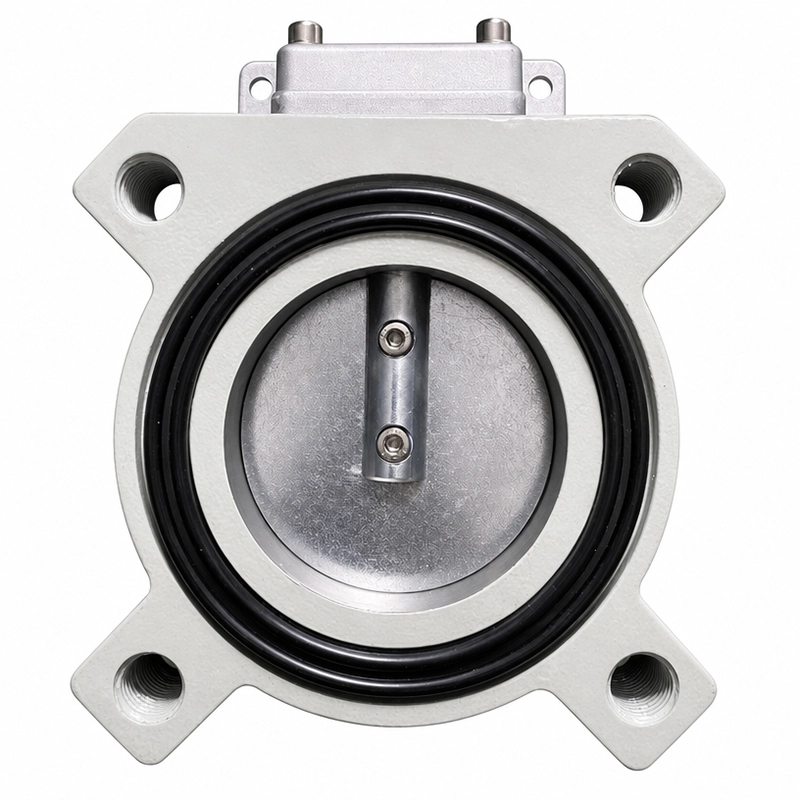
Original ZeeyiElec product photograph used to show component and surface boundaries. Color, polish and visible markings are not independent proof of the alloy grade or the complete assembly rating.
Keep identification connected to the component
Ask how the offered part is identified and how that identity connects to the supporting material record. A document bearing a recognizable alloy name is useful only when its scope can be related to the supplied component. Preserve any agreed limitations on batch, heat or part traceability rather than describing all documentation as equally detailed.
The transformer valve selection checklist covers the broader assembly review. Keep liquid compatibility, connection suitability and operating requirements there; this comparison addresses how the material claim is specified and supported.
Brass: Specify the Copper Alloy Rather Than Its Color
Brass and bronze are not interchangeable purchasing descriptions
Brass generally describes copper-zinc alloys; bronze describes other copper-alloy families and is also used in commercial descriptions. Neither word alone identifies a purchase grade. Request the actual alloy designation and governing product specification. A gold-colored valve body cannot establish whether the material matches either description or the required composition.
For a brass proposal, clarify the manufacturing route, body material and materials of the stem, closure and fittings. If the supplier offers a different copper alloy as a substitute, treat that as a defined technical proposal. Do not accept a change solely because the component looks similar or is advertised for the same broad accessory category.
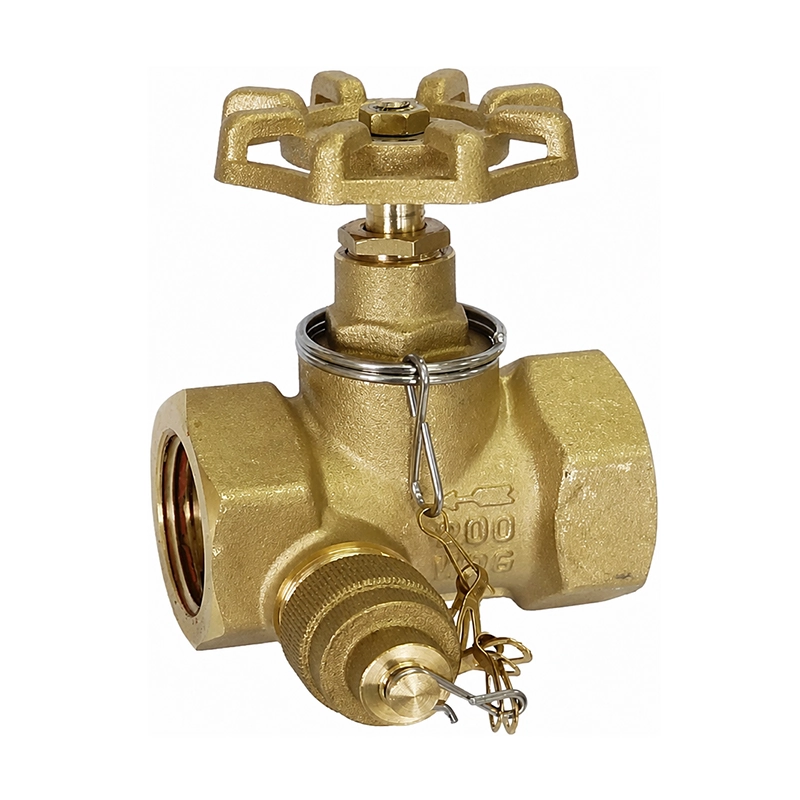
Original ZeeyiElec product photograph showing a different assembly and external interfaces. The image does not verify alloy composition, pressure capability or compatibility with a particular insulating liquid.
Avoid transferring a water-service conclusion to insulating liquid
A material claim made for one medium does not automatically establish suitability for transformer service. Ask for the basis of the recommendation for the actual insulating liquid, temperature range and relevant cleaning or preservation materials. The review must include nonmetallic parts that may be more restrictive than the body alloy.
Use the transformer valve product family to identify the offered construction, then obtain its specific documentation. The oil drain valve application guide addresses the complete outlet assembly. Neither a category photograph nor a general material comparison replaces configuration-specific evidence.
Compare Transformer Valve Materials on the Same Basis
Use one evidence table for every quotation
A practical comparison of transformer valve materials should ask the same questions of each proposal. The table below organizes those questions without ranking the families. It deliberately omits generic temperature limits and pressure classes: those values must come from the specified component and complete assembly, not from the metal name.
Review field
Carbon steel proposal
Stainless steel proposal
Brass proposal
Material identity
Exact grade and product specification
Exact alloy and product-form specification
Exact copper alloy and product specification
Surface scope
Base metal, external protection and internal condition
Surface condition and defined exposure
Finish or plating, if supplied, and underlying alloy
Other components
Closure, stem, seals and fasteners
Closure, stem, seals and fasteners
Closure, stem, seals and fasteners
Supporting evidence
Required records linked to the offered parts
Required records linked to the offered parts
Required records linked to the offered parts
Assess transformer valve materials against the same specified liquid and environment. If one supplier answers for the body only and another answers for the wetted assembly, flag the difference rather than treating their quotations as equivalent. A lower price may reflect a different scope of supply or evidence; establish that scope before making a commercial comparison.
Resolve substitutions without creating a material hierarchy
Consider a hypothetical enquiry specifying a carbon steel body while a supplier proposes stainless steel. The alternative might be acceptable, but a different family name does not prove an upgrade. Identify the changed grade, product form, interfaces and supporting documents. Keep the proposal open until the responsible project review accepts the change.
Apply the same process to a proposed copper-alloy substitution. Retain the original requirement, the offered alternative and the acceptance decision as separate entries. A purchasing note that merely says “better material supplied” loses the technical basis needed for later inspection or replacement.
Close the Material Review With Traceable Evidence
Link the requirement, offered part and record
For transformer valve materials, the review record should connect the specified grade to the offered component and its supporting evidence. Record the document revision, component identification and any unresolved qualification. The required certificate type, inspection scope and acceptance criteria belong in the agreed purchase requirements; they should not be invented after delivery.
Conceptual evidence chain, not an inspection certificate. Each connection needs the documentation agreed for the actual purchase.
Use the relevant transformer accessories interfaces when checking the boundaries of supply. A valve assembly can arrive with fittings or attached hardware whose materials need separate identification. Keep those items within the comparison where they affect the agreed scope.
Reopen only the affected material decisions
Revisit the assessment when the alloy, manufacturing route, surface treatment or supplied component changes. Retain accepted evidence for unchanged items while identifying what the revised proposal affects. Transformer valve materials are meaningfully compared when the same service requirement and evidence scope remain visible throughout the decision.
Frequently Asked Questions
Does stainless steel always improve a transformer valve specification?
No. A different alloy family is a substitution to assess against the actual liquid, environment, interfaces and assembly requirements. The proposed grade and supporting evidence must establish its suitability for the defined application.
Can a painted valve body be identified as carbon steel?
No. Paint describes a surface finish, not the underlying alloy. Confirm the body material through the specified component identification and the supporting records agreed for the purchase.
Are brass and bronze equivalent terms in a purchase order?
No. Request the exact copper-alloy designation and product specification. A broad trade description or similar color does not establish that two offered materials meet the same requirement.
Does a body material certificate cover every wetted part?
Only if its stated scope actually identifies those parts. Check the closure, stem, seals and fittings separately instead of assuming that evidence for the body covers the complete wetted assembly.
Can a material grade determine the valve's pressure rating?
No. The complete valve's documented limits depend on its specified construction and applicable requirements. An alloy designation or an isolated material property cannot establish the rating of the offered assembly.
What should happen when the offered alloy differs from the enquiry?
Record the alternative as a material deviation, identify the affected components and obtain the required project disposition. Preserve the accepted grade and evidence requirements in the revised purchase record before treating the alternative as agreed.
yoyo shi
Yoyo Shi writes for ZeeyiElec, focusing on medium-voltage accessories, transformer components, and cable accessory solutions. Her articles cover product applications, technical basics, and sourcing insights for global electrical industry buyers.







 English
 한국어
 العربية
 Español
 हिन्दी
 தமிழ்
 Deutsch (Sie)
 Français
 Português do Brasil
 Русский