Transformer Accessories Series

Medium Voltage Transformer Bushings (ANSI, DIN & Epoxy)

Engineered for distribution transformer projects with ANSI porcelain, DIN porcelain, and epoxy interface options across medium-voltage applications.

OEM/ODM Configuration Fast Engineering Response Export Documentation Support
Voltage Class 12kV–52kV
Current Rating 55A–3150A
Application Distribution Transformers
Product Definition

What Is a Medium Voltage Transformer Bushing?

A medium voltage transformer bushing is an insulated pass-through component installed on the transformer tank wall to safely transfer current between internal windings and external circuits. In practical projects, medium voltage bushings are selected by standard system (ANSI or DIN), material route (porcelain or epoxy), and interface type (fixed, loadbreak, or deadbreak) to ensure electrical reliability and installation compatibility.

  • 1
    Electrical Insulation — provides stable dielectric separation under medium-voltage operating stress.
  • 2
    Current Transfer Path — creates a reliable conductive path from transformer winding to external connection.
  • 3
    System Compatibility — matches mounting dimensions, thread/interface standards, and connector ecosystem.
ZeeyiElec supplies ANSI porcelain, DIN porcelain, and epoxy bushing configurations for 12–52kV and 55A–3150A distribution transformer applications.

Porcelain Route (ANSI / DIN)
External Circuit Cable / Busbar Connection
Core Component Porcelain Bushing Body
Mounting Base Transformer Tank Wall
Typical for fixed-interface transformer bushing applications.
Epoxy Separable Route
External Circuit Cable / Elbow / T-Body Connector
Interface Accessory Bushing Insert / Separable Interface
Interface Base Bushing Well
Core Component Epoxy Bushing Body
Mounting Base Transformer Tank Wall
Typical for loadbreak/deadbreak compatible interface systems.
Engineering Selection

ANSI, DIN, and Epoxy Medium Voltage Bushings

Comprehensive catalog data for medium voltage transformer bushings optimized for global projects.

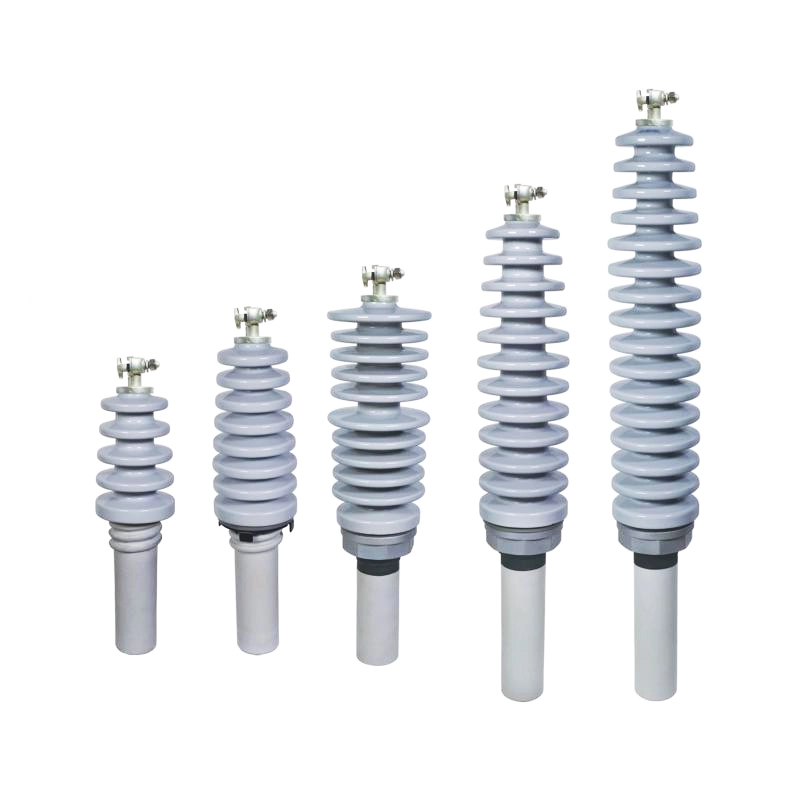
ANSI Porcelain Bushing Family

Series Overview

This comprehensive collection combines standard ANSI distribution bushings (15-38kV) with ASTM FBD/FBDW high-performance series.

Ranging from 55A to 5000A, these porcelain bushings utilize premium electrical-grade porcelain and robust metal flanges. Specifically engineered for reliable external insulation and mechanical support in oil-filled transformers following American standards.

15kV – 38kV / 55A Series
Low current distribution bushings
15kV – 38kV / 125A – 417A
Standard medium current range
15kV – 38kV / 417A – 660A
High current heavy-duty range
15kV Special / Compact
125A – 250A Specific Dimensions
ASTM FBD LV/MV (2.5-8.7kV)
High current 1000A – 5000A
ASTM FBD MV (15-46kV)
315A – 3150A Standard Range
ASTM FBDW Heavy (25-46kV)
Robust high voltage/current models
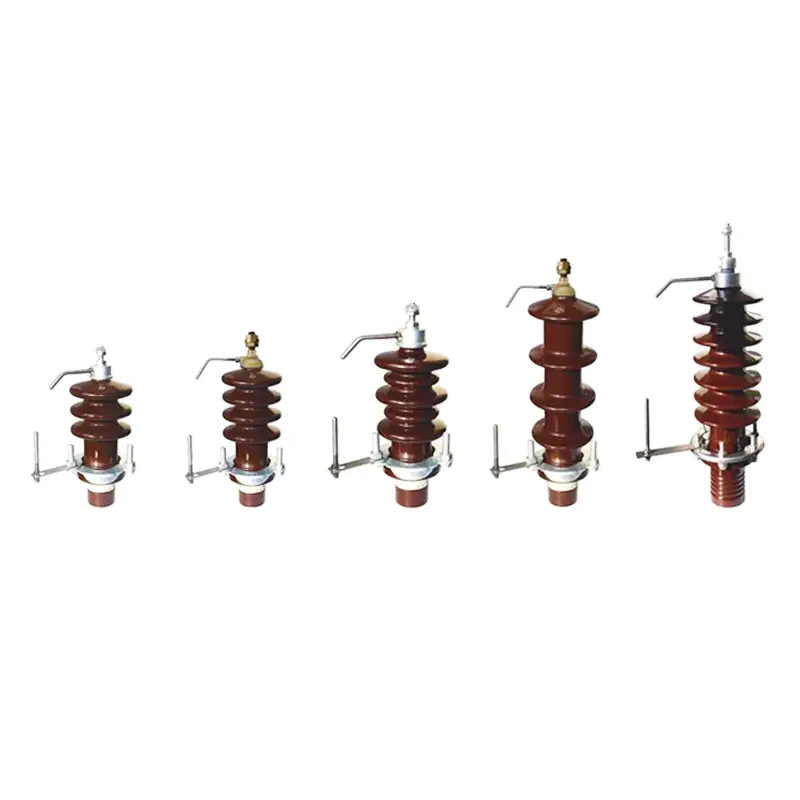
DIN / EN Porcelain Bushing Family

DIN Standard

Our DIN porcelain bushing series includes standard DIN 42531/42532 models and high-current DIN 42533/42534 models.

Ensuring dimensional interchangeability for European standard transformers, offering proven insulation performance for voltage classes from 12kV to 52kV.

DIN Draw-lead Type (12-36kV)
250A – 630A (DIN 42531)
DIN Rod Type (12-36kV)
250A – 630A (DIN 42532)
DIN High Current (12-52kV)
1000A – 3150A (DIN 42533/34)
EN-Compatible Extension
EN Standard Series (12-36kV)
1250A – 3150A Screw Connect
Protection-Specific Option
Lightning Protection Series
10kV – 35kV Discharge Bushing
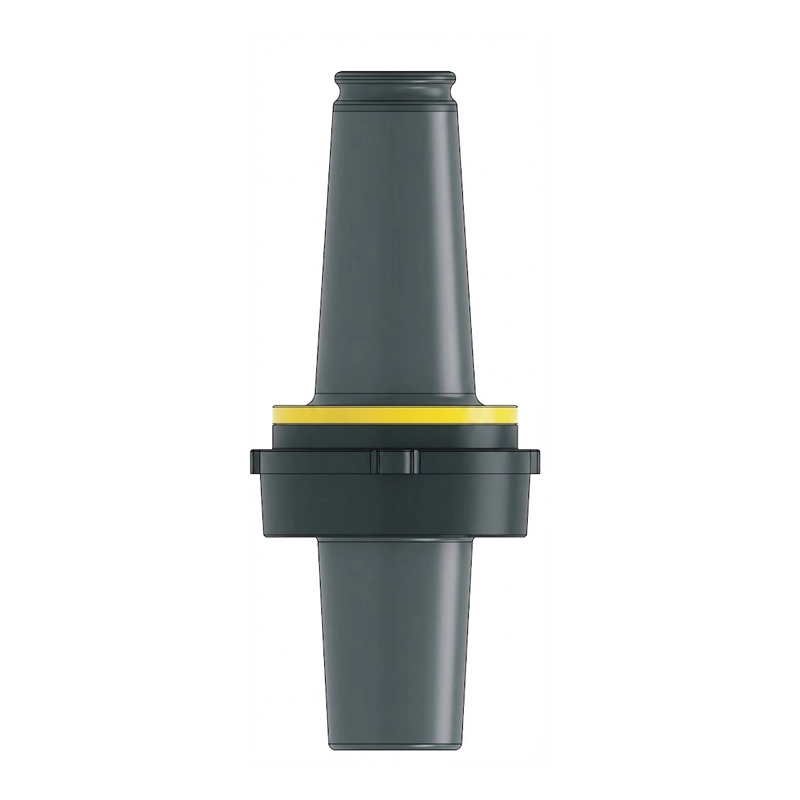
Epoxy Bushing Family

Epoxy Interface

The Epoxy series features separable insulated connectors utilizing molded insulation technology.

Compliant with IEEE 386, supporting 200A Loadbreak and 600A/900A Deadbreak interfaces. Fully shielded, submersible connections for pad-mounted transformers.

200A Bushing Inserts (15/25kV)
Loadbreak Interface (IEEE 386)
600A/200A Reducing Tap Plug
Loadbreak Reducing Interface
600A Deadbreak Bushing
15/24kV Sidewall Apparatus
600A/900A Deadbreak Bushing
35kV High Voltage Apparatus
Engineering Validation

Engineering Notes for ANSI / DIN / Epoxy Selection

SEC3 provides model-level data and configuration details. This section adds quick cross-family guidance and installation checks before final RFQ confirmation.

Quick Comparison

FamilyTypical StrengthBest-fit ScenarioInterface FocusEng. Caution
ANSIHigh CantileverN. American GridTop-clamp / StudHeavy mechanical load sizing required.
DINStandard IECGlobal / Euro GridPlug-in / Draw-leadWatch for oil leakage sealing specs.
EpoxyHigh RigidityIndoor SwitchgearEmbedded / BusbarVerify UV stability if used outdoors.

Project Compatibility Checklist

  • Voltage class & insulation level match
  • Current duty match (Continuous/Overload)
  • Mounting / opening dimension check
  • Thread / Interface compatibility
  • Creepage target by environment
  • Accessory compatibility confirmation
  • Drawing revision & QA confirmation
Why ZeeyiElec

Built for Reliable Bushing Supply, Technical Clarity, and Project Execution

For medium voltage transformer bushing projects, performance depends not only on ratings but also on interface compatibility, process stability, and response speed. ZeeyiElec supports ANSI, DIN, and epoxy routes with engineering-oriented execution from model confirmation to batch delivery.

Stable Material & Process Control

Controlled porcelain and epoxy manufacturing workflow for repeatable insulation and interface performance.

Specification-Driven Communication

Voltage class, current duty, dimensional interface, and mounting logic are aligned before quotation.

Cross-Family Matching Support

Supports ANSI porcelain, DIN porcelain, and epoxy interface selection based on real project conditions.

Batch Consistency for Projects

Dimensional and assembly consistency control for multi-unit transformer programs and repeat orders.

Routine Verification Before Shipment

Core verification checks are completed before release to reduce field-side installation uncertainty.

Responsive Engineering Follow-Up

Fast response for model matching, compatibility questions, and project-side specification adjustments.

Engineering Selection

How to Select the Right Medium Voltage Transformer Bushing

Use this step-by-step guide to confirm standard system, voltage/current duty, interface compatibility, and installation boundaries before RFQ submission.

01

Standard Route

Select product family: ANSI Porcelain, DIN Porcelain, or Epoxy.

02

Voltage Class

Verify insulation level (BIL) & system class (typ. 12kV–52kV).

03

Current Duty

Match continuous current & thermal duty (55A–3150A) with load profile.

04

Interface Check

Validate thread type, mounting geometry, sealing, & retrofit constraints.

05

Final Model

Confirm variant, quantity, documents, & target lead-time for RFQ.

Common Selection Mistakes

  • Choosing by voltage only without confirming standard system & interface compatibility.
  • Ignoring mounting/sealing boundaries during retrofit or cross-brand replacement.
  • Mixing porcelain and epoxy assumptions in one RFQ without clear notes.

Information to Prepare Before RFQ

  • Target family: ANSI porcelain / DIN porcelain / epoxy
  • Required voltage class & insulation expectation
  • Current rating & duty condition
  • Interface/thread + installation boundary drawing
  • Quantity, destination market, & target delivery window
Execution Assurance

Quality Control & Documentation Support

We ensure every bushing project meets engineering standards through a rigorous verification process, supported by a complete handover documentation package to minimize installation risks.

Standardized Verification Protocol

  • Requirement Alignment

    Confirm standard route (ANSI/DIN/Epoxy), voltage class, current duty, and exact model code before production.

  • Dimensional Verification

    Strict check of interface geometry (studs, flange holes) against approved drawings for retrofit fit-up.

  • Integrity & Surface Check

    Routine insulation tests and visual inspection for porcelain glaze defects or epoxy casting uniformity.

  • Pre-Shipment Audit

    Final verification of quantity, labeling consistency, and export-grade packing condition.

Handover Documentation

Export & Commercial

  • Commercial Invoice & Packing List
  • Bill of Lading / Airway Bill
  • Bushing Model Confirmation Sheet

Technical Support

  • Interface Drawing Reference
  • Batch Traceability Record
  • Post-delivery Technical Q&A
FAQ & Resources

Medium Voltage Bushings FAQ & Technical References

Practical answers for selecting medium voltage bushings, comparing ANSI porcelain, DIN porcelain, and epoxy bushings, and preparing accurate transformer bushing RFQs.

Related Resources

Medium voltage bushings are insulated interface components that allow conductors to pass through transformer boundaries while maintaining dielectric isolation and mechanical stability. These transformer bushings are selected by voltage class, current duty, and installation interface.
ANSI porcelain bushings and DIN porcelain bushings follow different standard systems, dimensional conventions, and matching hardware ecosystems. They should not be interchanged without drawing-based verification.
Start with required family route (ANSI porcelain, DIN porcelain, or epoxy bushings), then confirm model by electrical ratings, mounting boundary, and interface details.
Yes. Retrofit suitability depends on mounting geometry, sealing boundary, terminal/thread interface, and mating compatibility. Existing drawings or sample references are strongly recommended.
No. Correct medium voltage bushings selection also requires current rating, installation pattern, sealing structure, and accessory compatibility.
Yes. A mixed RFQ is fine, but each line should clearly define family type, rating, interface/dimensions, and quantity to avoid repeated confirmation.
Provide type route (ANSI/DIN/epoxy), voltage class, current rating, quantity, key installation dimensions/drawings, destination market, and delivery expectation.
Use a checklist: standard family, mounting boundary, sealing interface, thread/terminal form, and mating-part verification. Compatibility checks are as important as rating checks.
Supply scope depends on confirmed model/version and quotation terms. Gasket/accessory inclusion should be explicitly listed in final confirmation.
Refer to recognized installation/safety references such as NFPA 70 (NEC), then align with project-specific engineering specifications and local utility requirements.