A cold shrink working space review needs two separate decisions: whether personnel may safely access the location, and whether the selected accessory can be installed correctly within the available working envelope. Avoiding a heat source does not remove electrical, atmospheric, access or workmanship hazards. Resolve both reviews before cable preparation or support-core removal begins.
This article is a planning checklist for qualified project teams, not an entry permit, cable preparation sequence or live-work instruction. A narrow cabinet and a legally classified confined space are not automatically the same thing. The site must determine the applicable classification, controls and authorized work procedure before anyone enters or starts the task.
Cold Shrink Working Space Review: Authorization First
Do not use product choice as an access decision
A cold shrink accessory does not require heating to recover its pre-expanded body, but that feature alone cannot make an enclosed work location safe. Electrical isolation, nearby energized equipment, atmosphere, access, egress and other hazards remain part of the site’s assessment. The responsible safety and electrical teams must authorize the work under the applicable requirements.
As a jurisdiction-specific reference, OSHA’s confined-spaces construction FAQ explains the role of a competent person in identifying and evaluating confined spaces, including permit spaces. It is not a universal rule for every country or every electrical task; apply the law and site system relevant to the actual work.
A cold shrink working space review should therefore begin with a clear status: access approved under the applicable process, or work not yet released. Do not treat an installation schedule, a contractor’s presence or the absence of an open flame as authorization to enter.
Keep electrical safety boundaries explicit
The cable and equipment must be in the safe condition required by the approved electrical procedure. Identification, isolation and verification are responsibilities for qualified authorized personnel. This planning checklist does not prescribe test connections, grounding arrangements or distances from energized parts.
If the work scope or site conditions change, stop and obtain the required reassessment. A previously approved location does not automatically cover a new cable route, different equipment arrangement or altered access condition.
Measure the Working Envelope, Not Just the Finished Body
Include the installation actions in the space review
A cold shrink working space review must account for more than the finished termination or joint: installation can require a larger movement envelope. Review the selected kit’s instructions for access to the cable, component positioning and support-core removal. Include the approved tools, the installer’s working position and the ability to see the relevant marks and surfaces.
Do not infer the required clearance from a product photograph or a nominal cable size. A different kit design, connector or cable construction can change the working envelope. Obtain the relevant instructions before deciding that the accessory fits a cabinet, trench or chamber.
அந்த குளிர் சுருங்கு துணைக்கருவிகள் குடும்பம் helps identify candidate configurations. Final space suitability must be established for the actual cable and selected kit, not for the family in general.
Review cable support and equipment constraints
Check the cable route, approved bending limits, supports and connection interface using the cable and equipment documentation. A restricted workspace is not a reason to force the cable into an unapproved bend or remove a support without review. Confirm whether temporary arrangements are required and who approves them.
Space-review item
Evidence needed
Hold point
Access and egress
Approved site assessment
No authorized access, no work
Cable route and support
Cable and equipment drawings
Unresolved bend or support constraint
Component positioning
Selected kit instructions
Insufficient working envelope
Support-core removal
Documented installation access
Obstruction or unverified clearance
Inspection visibility
Review of required check points
Critical surfaces cannot be checked
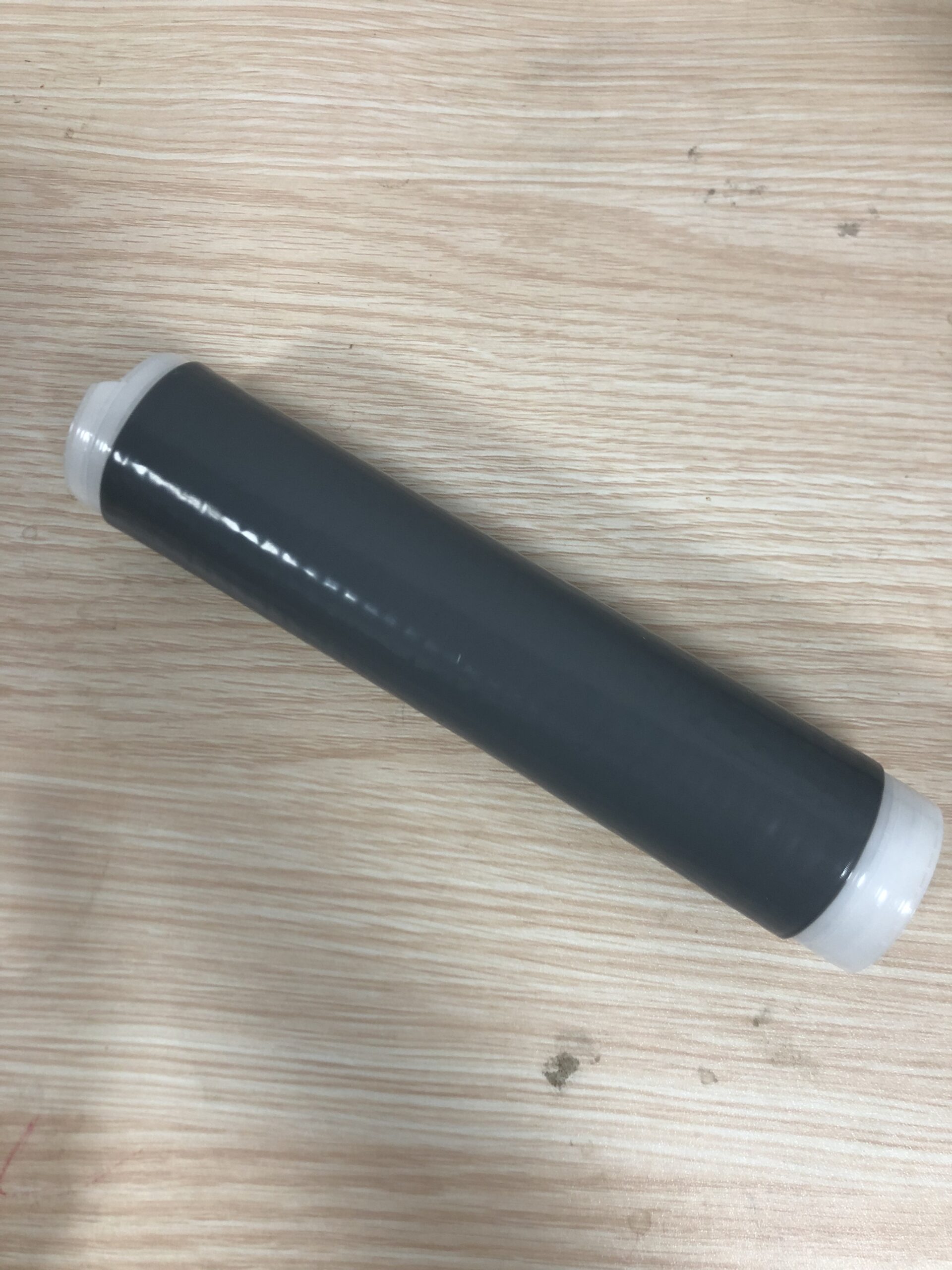
The visible component and support core provide product context; required movement and inspection space must come from the approved method for the selected accessory.
Reserve Separate Zones for Movement, Staging and Inspection
A cold shrink working space review names the space needed by each activity rather than treating every unoccupied area as available. Distinguish the accessory’s final envelope from the area used by tools, temporary component handling and observation. A place that can hold a finished termination may still prevent the installer from carrying out the documented method.
Review these zones against the actual equipment arrangement. Identify where a tool or component must move, where the operator must see a reference mark and where another part of the system must remain accessible. The purpose is not to set universal dimensions; those come from the selected equipment, cable and kit instructions. The review should reveal conflicts early enough for the responsible parties to resolve them.
Do not assume the same piece of space can serve incompatible activities at the same time. A staging surface may obstruct the required line of sight; a package placed conveniently beside the cable may occupy the movement route needed later. Record which temporary items must be relocated under the approved plan and which areas must remain unobstructed throughout the work.
Include the inspector’s view, not only the installer’s reach. Where a required feature becomes concealed, establish whether it can be observed at the specified inspection point from the authorized working position. If the answer is unclear, obtain a resolution before the operation rather than assuming a photograph taken afterward will recover the missing evidence.
Workspace insight: distinguish occupation from movement – A final installed envelope is not an installation movement envelope. – A reachable location is not necessarily an observable inspection location. – Temporary staging must not take space reserved for access or another task.
அந்த கேபிள் துணைக்கருவிகள் தேர்வு வழிகாட்டி addresses general accessory choice. This spatial review instead records whether the selected, documented arrangement can be worked on as intended. It does not justify choosing an undersized accessory, improvising a different installation action or modifying the equipment without approval.
Conceptual planning matrix records clearance and visibility questions without specifying universal dimensions, bending radii or a support-core removal method.
Use Readiness Checks Before Irreversible Stages
Compare the planned sequence with the space available
Before work is released, use the cold shrink working space review to compare manufacturer-defined activities with the actual layout. Identify the activities that require temporary clearance, an unobstructed viewing direction or room for the specified equipment. The review is a comparison with the approved method, not permission to invent a new sequence.
ஒருங்கிணைக்க கேபிள் துணைக்கருவிகள் work with the surrounding equipment. For transformer connections, review the relevant மாற்றான்கருவி துணைக்கருவிகள் interface so the spatial assumptions describe the same arrangement. Record which equipment drawing and installation-instruction revision were used.
Consider a hypothetical cabinet where a removable carton occupies an approved movement zone and a fixed cable support blocks the required viewing line. These are different constraints. Moving the carton to an approved staging location may close the first issue after an access recheck. The fixed support remains an engineering issue: its removal cannot be assumed acceptable. Keep that part of the work unreleased until an approved layout or method permits the required observation. This is a planning example, not a field result.
Do not improvise when movement becomes obstructed
If the available space does not permit the documented installation method, stop and seek an approved alternative. Do not assume that cutting, stretching, partially dismantling or repositioning a recovered component is allowed. Whether a component may be reused or reworked is a manufacturer-specific decision.
தற்போதுள்ள cold shrink installation mistakes guide addresses broader workmanship risks. Here the emphasis is narrower: identify space-related constraints before they force a departure from the selected instructions.
Engineering insight: make the stop condition usable – Identify who can resolve an obstruction or a missing instruction. – Record the approved alternative before work resumes. – Preserve the nonconformance rather than describing an improvised repair as normal installation.
Conceptual change-review timeline links a changed arrangement to reassessment of movement, visibility and access; it is not an installation sequence.
Decide Which Space Conflicts Can Be Closed Before Work
Separate housekeeping changes, design changes and product changes in the cold shrink working space review. Housekeeping can free an already authorized route, but it cannot establish that the route is wide enough for the specified activity. A changed support or cable route needs the relevant engineering approval. A different kit needs its own electrical, dimensional and installation review; a smaller outline is not a substitution specification.
Record a clear pre-work stop condition for each unresolved conflict. Examples include no authorized entry decision, an unconfirmed movement path, an instruction that cannot be followed in the available orientation, or a required inspection point that cannot be observed. Name the responsible reviewer and the evidence that would close the condition. Do not turn the list into a new installation procedure.
Where a controlled layout review or demonstration is required, its plan must define what is being checked and what remains outside scope. A successful reach demonstration does not establish electrical clearance, cable bend suitability or atmospheric safety. Preserve those separate decisions when recording the result.
Hypothetical planning decisions differ: a staging conflict may be resolved under the approved plan, while a fixed-support inspection conflict requires engineering review before work proceeds.
Close the Spatial Review and Preserve Its Limits
Record the arrangement that was actually reviewed
The cold shrink working space review should identify the location, equipment layout revision, selected accessory instructions and the activities considered. Mark unresolved conflicts and the party responsible for resolving them. A drawing without those references can look useful while describing a different kit or an earlier equipment arrangement.
Document the basis of each conclusion. “Adequate space” is less informative than a record that the specified activity and required view were reviewed against an identified layout. Where the responsible party requests additional measurement or a controlled demonstration, keep that requirement open until its result is documented. Do not invent a universal clearance to fill the gap.
Recheck changes that consume the reserved space
A new support, revised cable route or different component can affect a previously reviewed working zone. Reassess the relevant part of the plan when such a change occurs. An unchanged cabinet outside dimension does not prove that the usable internal space is unchanged.
Keep future access distinct from initial installation access. The completed arrangement may need a different viewing or maintenance approach under its equipment requirements. Confirm that the reviewed plan does not solve the initial task by obstructing a required later function. This article does not prescribe that maintenance operation; it ensures the requirement is not omitted from the space discussion.
The final outcome is a bounded spatial decision: the stated arrangement and documented work can proceed under the separately authorized site process, or named constraints remain unresolved. Neither outcome certifies the product, replaces the entry authorization or approves deviations from the manufacturer’s instructions.
அடிக்கடி கேட்கப்படும் கேள்விகள்
Does cold shrink technology make confined-space entry safe?
No. Avoiding a heating step does not remove electrical, atmospheric, access or other hazards; the site must separately assess and authorize the location and work.
Is a narrow electrical cabinet automatically a permit-required confined space?
Not necessarily. Classification depends on the applicable requirements and actual conditions, and must be determined by the responsible qualified or competent personnel under the site’s process.
Can working clearance be taken from the finished termination dimensions?
Not by itself. Review the selected kit’s installation method, tool access, cable support, component positioning and required inspection visibility as well as the finished envelope.
What should happen if support-core removal is obstructed?
Stop and obtain an approved resolution rather than improvising a different method. The selected manufacturer’s instructions govern allowable installation and rework actions.
Can a smaller kit be used to solve a space problem?
Only if it is independently confirmed suitable for the cable and application. Reducing apparent size does not justify using an accessory outside its approved dimensional or electrical range.
When should the working-space review be repeated?
Revisit it when the layout, selected accessory, work method or temporary arrangements change in a way that affects movement, visibility or access. An unchanged enclosure size alone does not preserve the earlier conclusion.
யோயோ ஷி
யோயோ ஷி, ZeeyiElec-க்காக எழுதுகிறார். இவர் நடுத்தர-வோல்டேஜ் துணைக்கருவிகள், டிரான்ஸ்ஃபார்மர் பாகங்கள் மற்றும் கேபிள் துணைக்கருவி தீர்வுகள் ஆகியவற்றில் கவனம் செலுத்துகிறார். அவரது கட்டுரைகள், உலகளாவிய மின்சாரத் தொழில் வாங்குபவர்களுக்கான தயாரிப்புப் பயன்பாடுகள், தொழில்நுட்ப அடிப்படைகள் மற்றும் கொள்முதல் குறித்த பார்வைகள் ஆகியவற்றை உள்ளடக்கியுள்ளார்.







 English
 한국어
 العربية
 Español
 हिन्दी
 தமிழ்
 Deutsch (Sie)
 Français
 Português do Brasil
 Русский