연락처 정보
지이일렉은 글로벌 유통업체와 프로젝트 계약업체를 위한 변압기 및 케이블 액세서리를 공급합니다. 기술 선택 및 RFQ 지원은 당사에 문의하세요.
주소:
리우시, 웨칭, 원저우, 저장성, 중국
전화 / WhatsApp / 위챗:
+86 150 5877 8024
이메일:
[email protected]


안정적인 품질, 실용적인 리드 타임, 수출 지원으로 공장에서 직접 부품을 조달하세요.
아래 양식을 작성하여 카탈로그와 가격을 받아보세요.

 으로요요시
Manufacturing dossier / body evidence
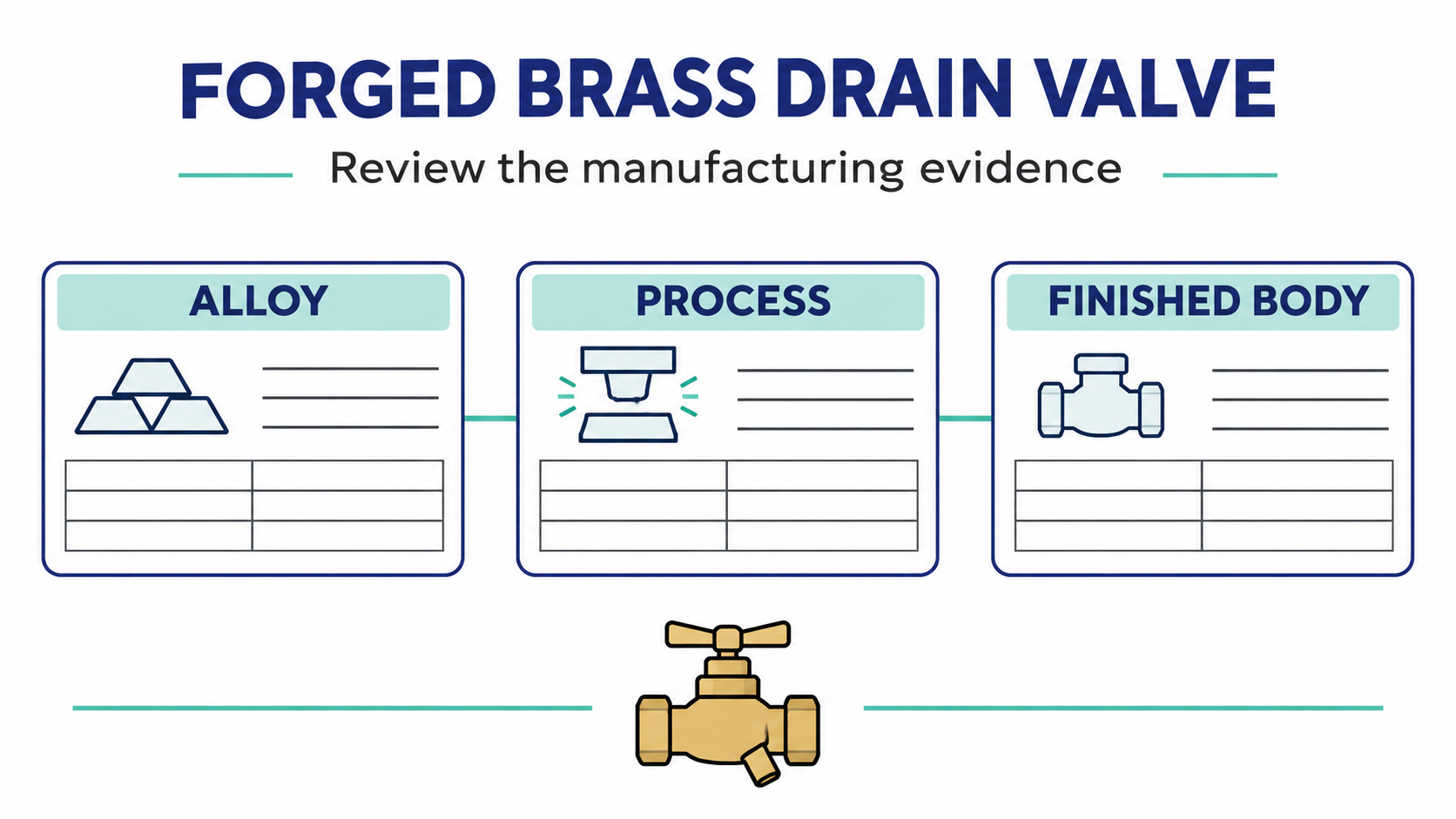
A brass transformer drain valve described as forged needs a traceable material designation, a documented forging route and an accepted finished-body configuration. The forging claim concerns how the body was made; it does not, by itself, establish alloy identity, machining conformity, sealing performance or approval for a transformer duty.
ALLOYIdentify the material.
PROCESSTrace the claimed route.
FINISHED BODYReview the supplied geometry.
This guide examines the manufacturing evidence behind a forged-body offer. It is intended for engineers, purchasing teams and quality reviewers comparing an offered body with an agreed requirement. General comparisons between steel, stainless steel and copper alloys belong to a broader material review. Here, the useful question is narrower: can the supplied body be connected to the claimed manufacturing route and the accepted finished drawing?
For a brass transformer drain valve, record the specified alloy designation, applicable product specification, manufacturing route and delivered condition separately. Brass is a copper-alloy family; forging is a forming route. Neither term supplies the other missing information. A body described only as heavy-duty forged brass leaves several purchasing requirements unresolved.
의 공식적인 공개 범위는 ASTM B283/B283M-24 concerns copper and copper-alloy die forgings produced by hot pressing. It includes multiple alloy designations, including C37700 forging brass. This is a product-form specification, not an automatic approval of a complete transformer valve. Confirm the contractually applicable specification and edition rather than assuming that every copper-alloy forging is interchangeable.
Identify which component is claimed to be forged. The body, bonnet, handwheel, closure, fittings and other supplied parts need not share one manufacturing route. Use a component reference or drawing item to define the claim. A general description for the assembly should not silently become a statement about every metal part in it.
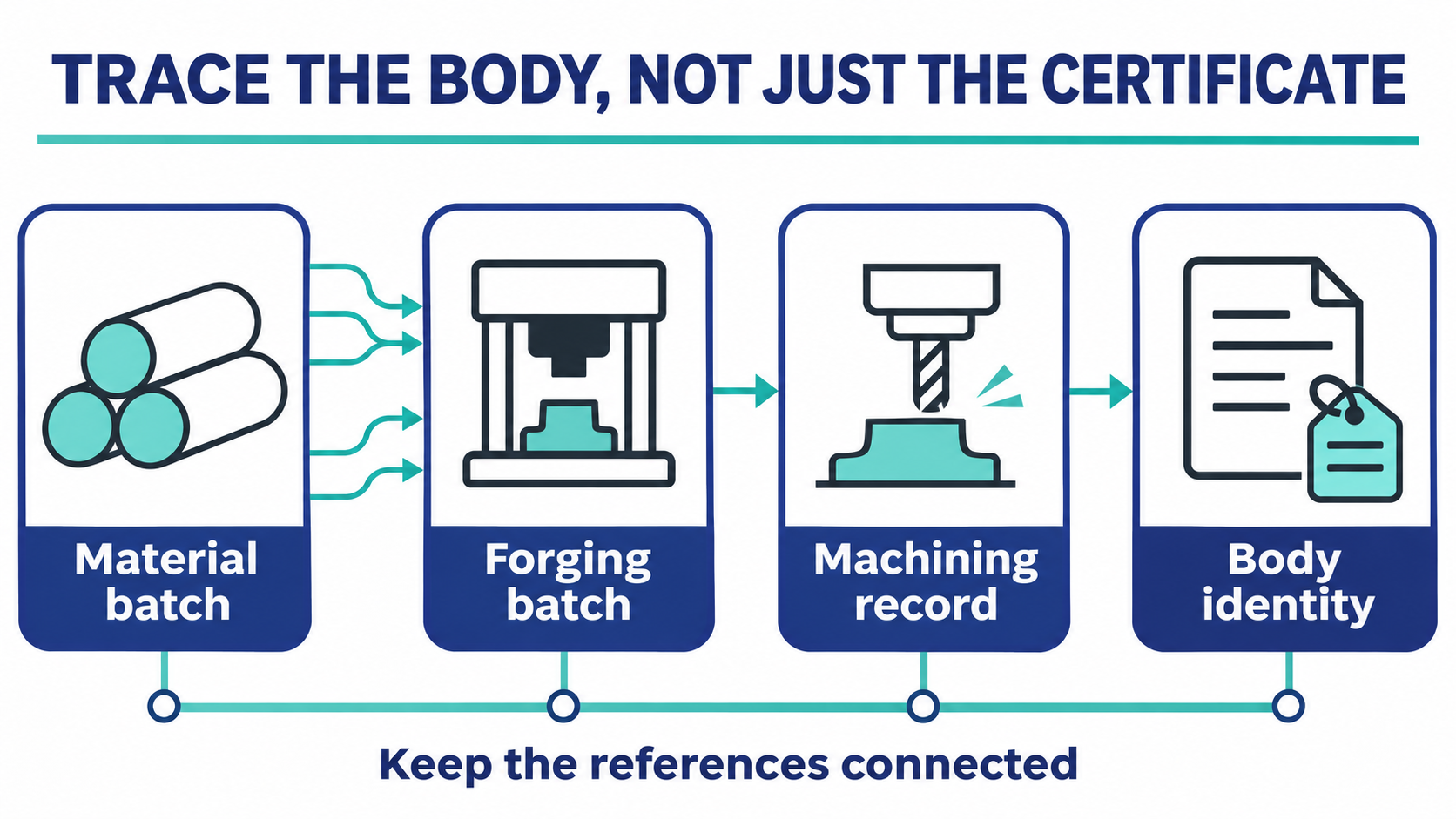
Traceability for a brass transformer drain valve should connect the incoming material reference, the relevant forging production record, subsequent machining and the supplied body identity. The exact record names depend on the manufacturer’s system. Review the relationship between records rather than demanding a familiar document title that does not identify the offered parts.
A material heat or batch reference can continue into several production batches. Conversely, a delivered group may contain bodies from different material or manufacturing batches. Ask how those relationships are preserved, particularly after parts are separated for machining, inspection or outside processing. One certificate attached to a delivery does not explain the mapping unless the supplied quantities and identifiers are connected to it.
Machining can remove surfaces that originally carried a mark. Establish how identity is maintained before and after that operation through the agreed identification system. This may involve controlled batch segregation and linked records; it does not necessarily require a permanent mark on every surface. Any marking method must remain compatible with the finished drawing and applicable requirements.
Color, weight, a smooth finish or a visible line on a body cannot independently establish its alloy and manufacturing history. A surface line may require explanation, while the absence of a visible forging line does not prove that the body was made by another route. Finishing and machining can change what remains visible on the delivered component.
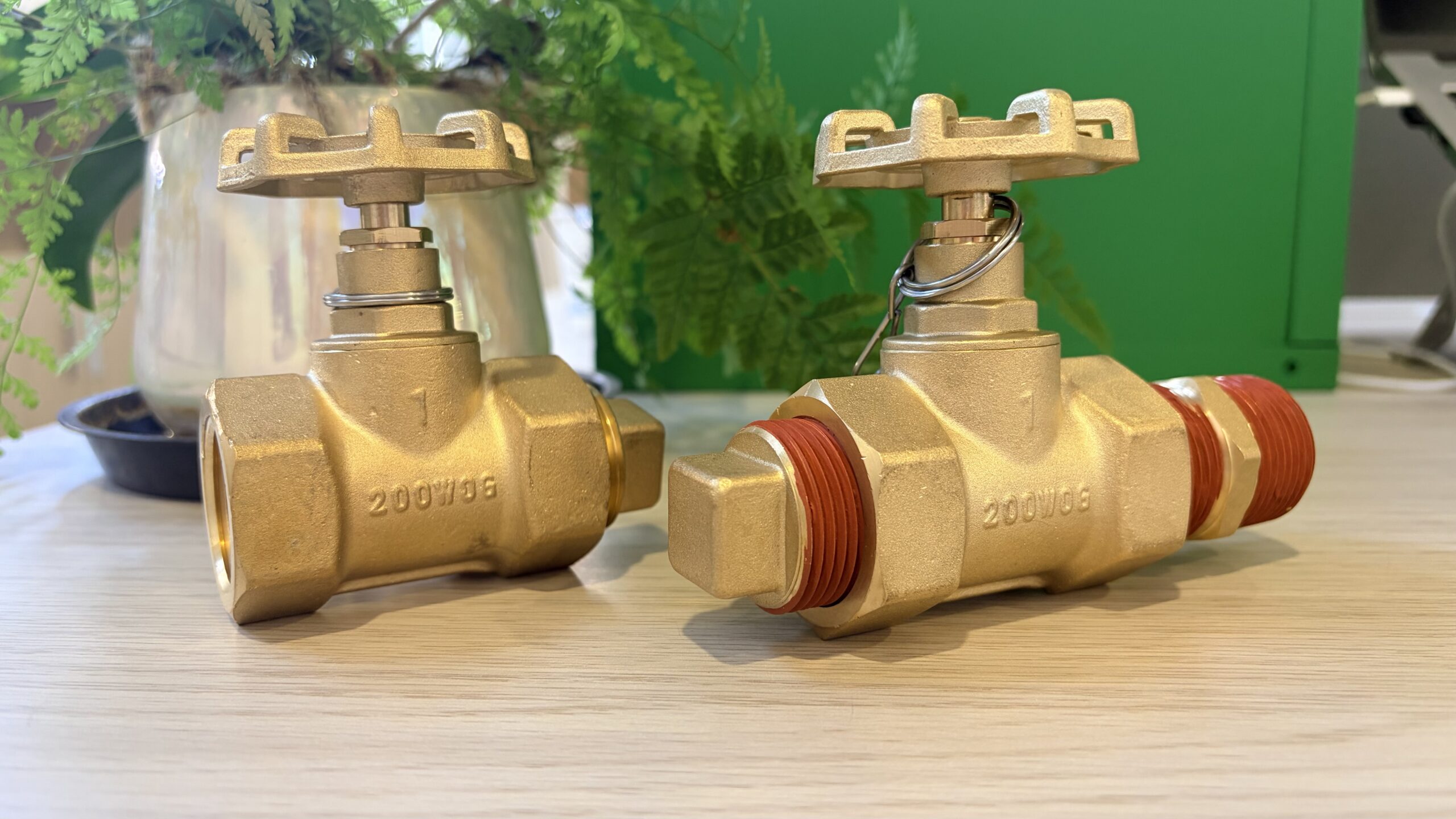
The original photograph below is useful for identifying the photographed bodies and their exterior features. It is not evidence of alloy composition, internal soundness or the production route. Keep that distinction when using product photographs in an enquiry or receiving record.
For brass transformer drain valve procurement, distinguish material identification, manufacturing-route evidence, dimensional examination and assembly testing. A chemical measurement may address composition within its method’s capability; it does not establish that the part was forged. A hardness reading similarly needs a defined requirement, method and interpretation rather than serving as a universal shortcut to material acceptance.
Agree the inspection plan, applicable methods, sampling basis and acceptance criteria with the responsible technical authority. Do not prescribe the same non-destructive examination for every forging or assume that an available test resolves every uncertainty. The plan should explain what is being checked and which body or batch the result represents.
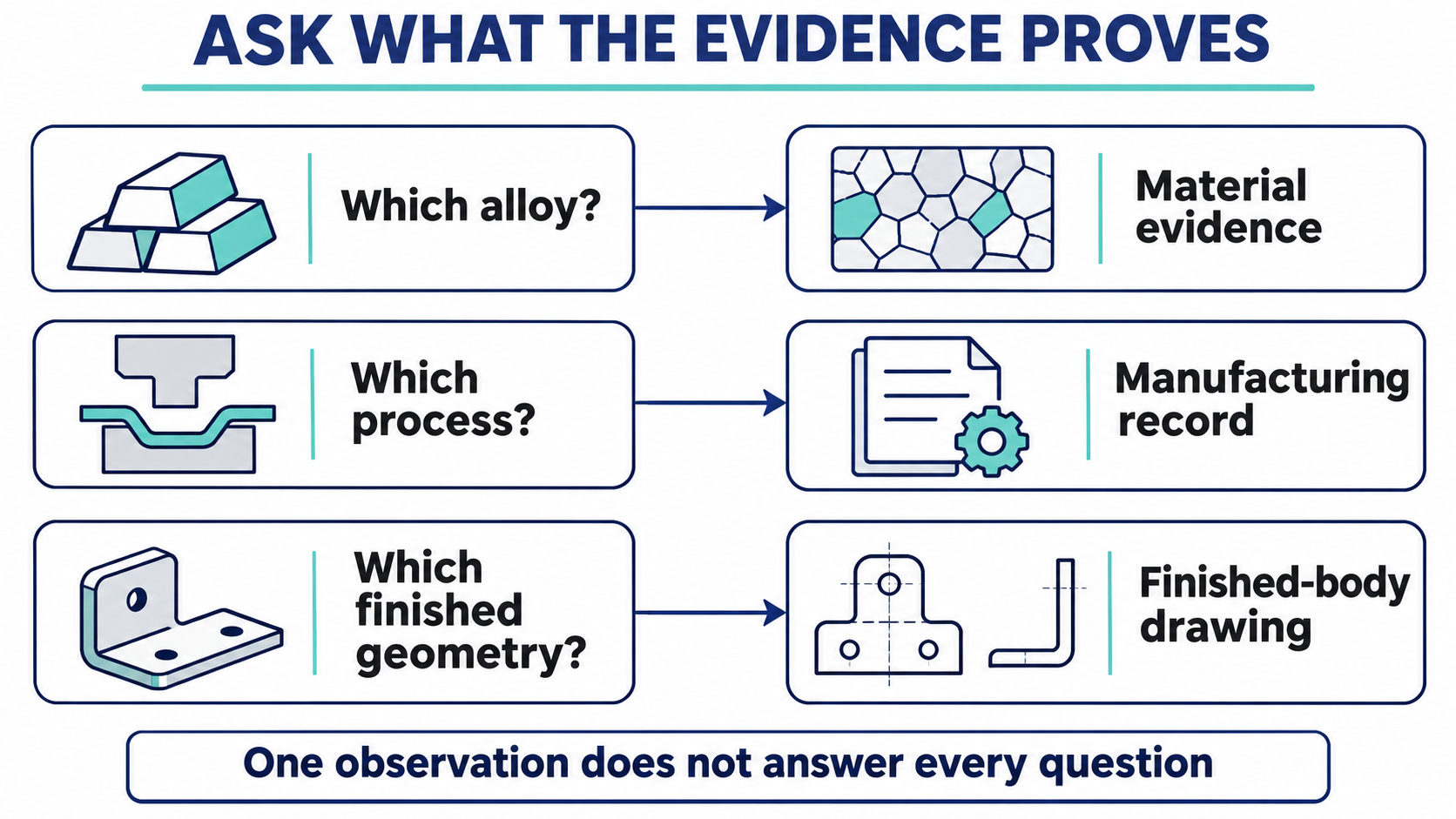
A forging blank drawing describes an intermediate form. The finished body drawing defines the geometry to be supplied after machining and any other specified operations. Keep their drawing numbers and revisions distinct. An acceptable blank does not establish that subsequent openings, threads, sealing surfaces or assembly features meet the finished requirements.
The brass transformer drain valve drawing should identify the relevant finished interfaces and features. Review the stated thread designation, mating arrangement, closure or bonnet interface and other configuration-specific details against that drawing. Do not derive a finished dimension, wall requirement or sealing allowance from an exterior photograph or a nominal connection label.
Record a dimensional or surface finding against the actual feature, applicable drawing reference and identified part or batch. Describing a body as machined correctly is less useful than a reviewable result with a defined scope. If a feature requires further assessment, retain the unresolved finding and obtain the authorised disposition.
Do not turn a proposed local rework into an informal purchasing acceptance. Removing material, repairing a surface or changing a connection may affect more than appearance. The responsible review must establish whether the proposed action is permitted and what further evidence is needed. This guide does not provide a repair method or dimensional tolerance.
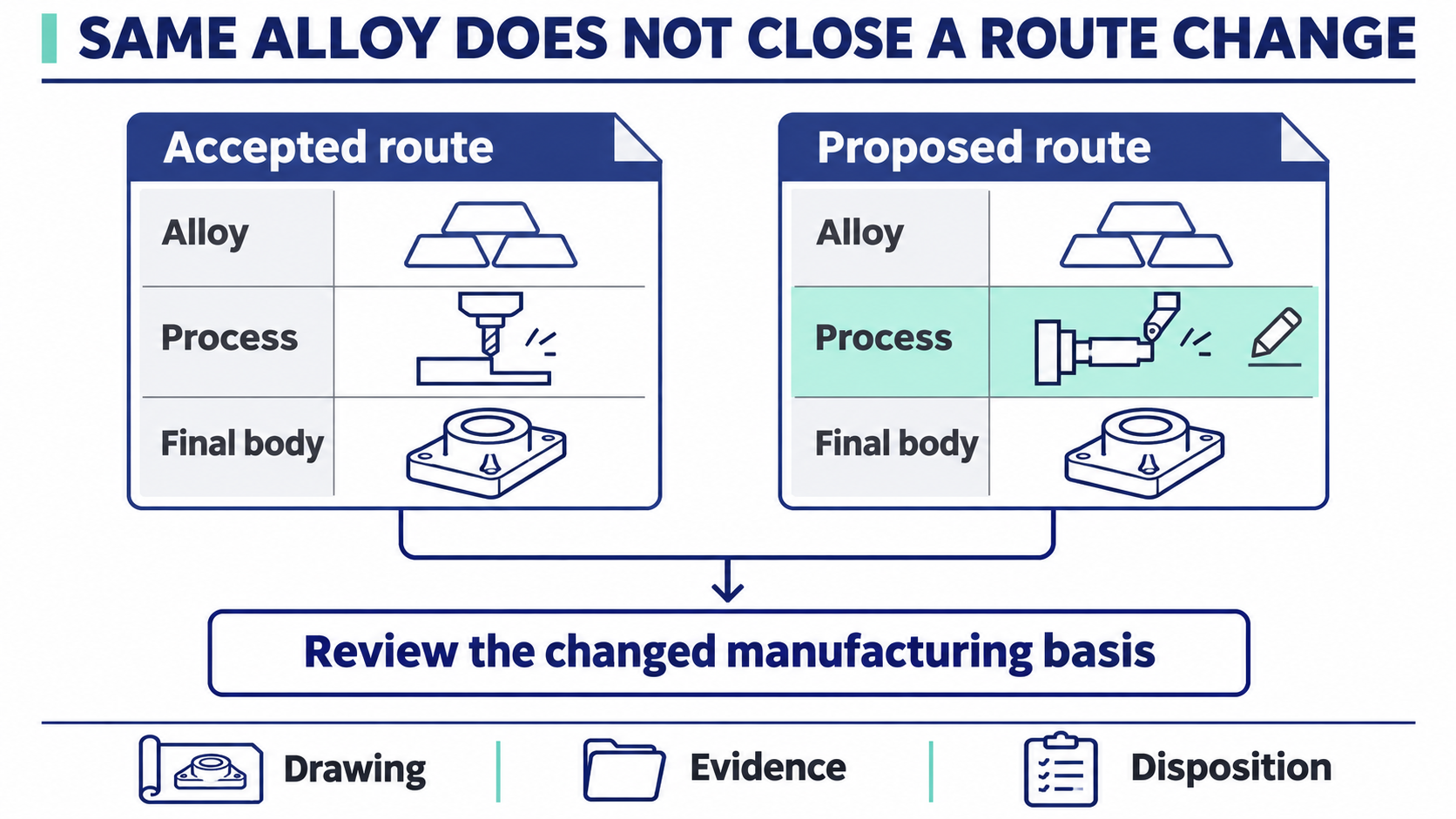
A brass transformer drain valve may be proposed with a different body manufacturing route while retaining the same stated alloy family. That proposal needs a defined comparison. Identify the changed product form, applicable specification, drawing or manufacturing basis and supporting evidence. Do not infer equivalence from the unchanged commercial product name.
Use a short change record to keep the technical question visible. It should identify what remains unchanged as well as what needs assessment, so reviewers do not repeat unrelated selection work.
| Review boundary | Accepted basis | Proposed change to establish |
|---|---|---|
| 재료의 정체성 | Exact designation and condition | Whether either has changed |
| Manufacturing route | Agreed product form and specification | New route and supporting evidence |
| Finished body | Controlled drawing and revision | Affected geometry or production controls |
| Release evidence | Defined inspection and acceptance scope | Required revised records and disposition |
Suppose a supplier proposes a body machined from bar instead of the agreed die-forged body. This is a hypothetical procurement example, not a ZeeyiElec production case. Even if the supplier states the same alloy designation, obtain the proposed manufacturing basis and identify which agreed requirements the change affects. Do not assume that the routes are equivalent or that one is universally unacceptable.
The project authority can then assess the specific brass transformer drain valve alternative and record its decision. A revised quotation or delivery promise is not that disposition. Preserve the accepted route and the relevant evidence requirements in the order revision before treating the alternative as agreed.
Body manufacturing acceptance is one part of the complete valve decision. The selected assembly still needs confirmation for the stated insulating liquid, service conditions, interfaces and required evidence. Neither a forging record nor a material result substitutes for configuration-specific sealing or functional acceptance. Keep assembly testing and body manufacturing evidence linked without treating them as the same record.
다음의 transformer oil drain valve guide for the broader drainage-duty and interface review. The 변압기 밸브 제품군 provides product-family context. Neither page replaces the accepted drawing and supply documents for the actual body being reviewed.
Retain the body item and revision, material designation, manufacturing-route reference, batch mapping, relevant inspection results and any accepted disposition. State whether manufacturing questions remain open. This creates a reviewable brass transformer drain valve release record without requiring reviewers to infer the production history from a folder of disconnected certificates.
For a project combining 변압기 액세서리 그리고 케이블 액세서리, keep the valve body’s manufacturing dossier attached to its own supply item. Shared project delivery or packaging does not make another component’s evidence applicable to the valve.
Send ZeeyiElec the required body drawing, material and manufacturing basis, service inputs and inspection-document requirements for review with the enquiry. Use the 변압기 액세서리 선택 가이드 to organise the wider equipment selection. Resolve any proposed route change explicitly before the order is released.
It can change which original surfaces remain visible. The presence or absence of an exterior line is therefore not a sufficient manufacturing-route record; confirm the body identity and linked production evidence.
No. A composition result addresses material identification within the method’s scope. The manufacturing route requires separate applicable records connected to the supplied body or batch.
Yes, depending on the production arrangement. The records must explain which production batches and delivered bodies are connected to that material reference, rather than leaving the relationship to assumption.
No. Agree the applicable requirements, examination scope, sampling basis and acceptance criteria for the specific supply. A method used for another body or application does not automatically become mandatory or sufficient.
No. They describe different manufacturing stages. Use the accepted finished-body drawing to establish the geometry that must be supplied after machining and other specified operations.
Review a change that affects the agreed body material, product form, manufacturing route, finished drawing or evidence basis. Identify the affected requirements and obtain the authorised disposition instead of treating an unchanged product name as approval.

 English English
 한국어
 العربية
 Español
 हिन्दी
 தமிழ்
 Deutsch (Sie)
 Français
 Português do Brasil
 Русский