Cable Accessories for Reliable LV & MV Power Cable Systems
Source cold shrink and heat shrink cable accessories from one engineering-oriented supplier, including cable terminations, cable joints, insulation tubing, and busbar protection solutions for distribution and industrial applications.
2 Core Series Coverage
•
Technical Selection Support
•
Export Documentation Ready
Cable accessories are critical interface components used to terminate, join, insulate, and protect power cables in LV and MV distribution systems.
Cable accessories create the functional connection layer between cable systems and electrical equipment. In practical projects, they should be selected
as a coordinated solution rather than separate items, so insulation integrity, electrical continuity, and installation reliability can be maintained throughout service life.
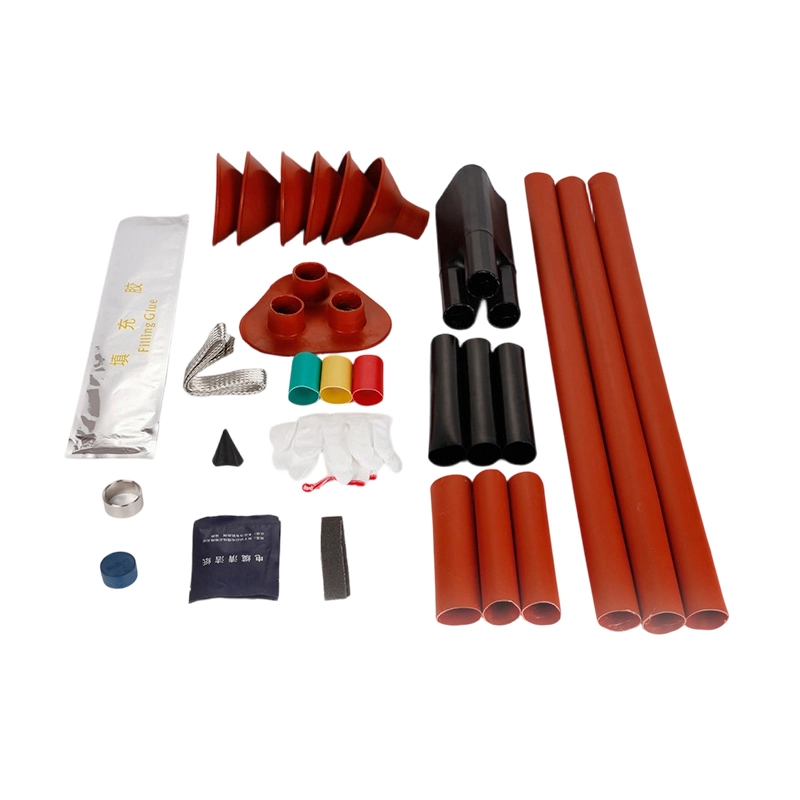
Typical product families include cold shrink and heat shrink cable terminations, cable joint kits, insulation tubing, and busbar insulation protection components.
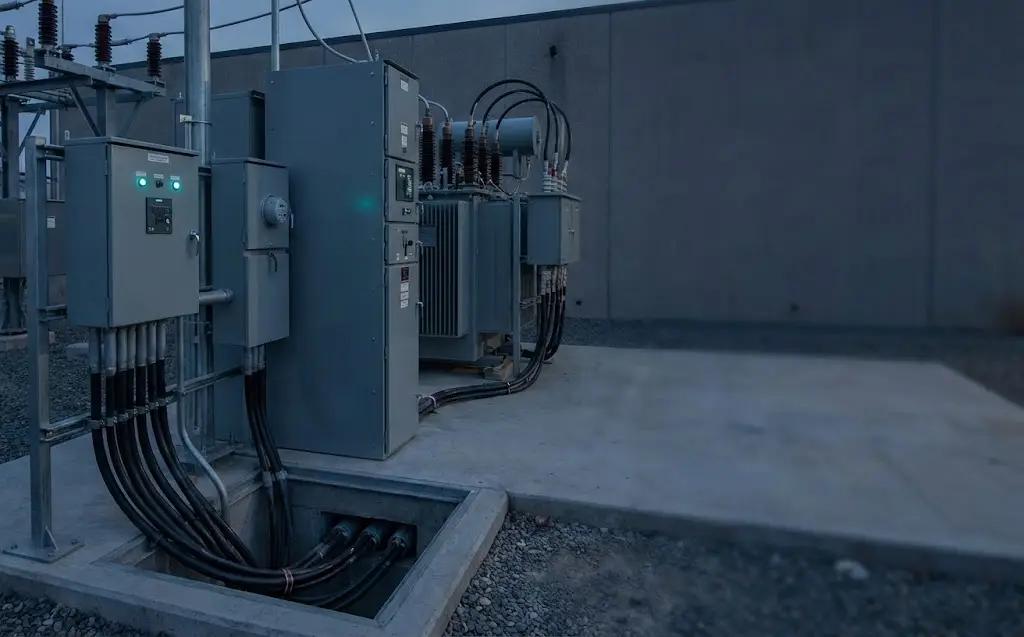
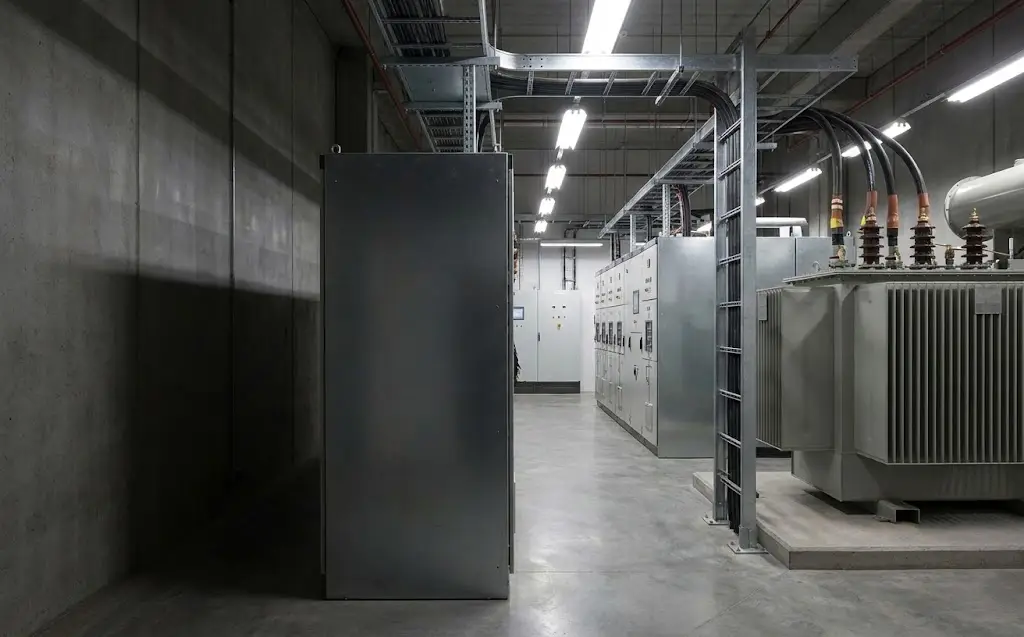
These solutions are widely used across transformer connections, switchgear interfaces, and industrial distribution networks.
For procurement and engineering teams, system-level matching helps reduce specification mismatch, shorten technical confirmation cycles, and improve RFQ-to-delivery efficiency.
Engineering Insight
Start with voltage class, conductor size, and cable structure, then match termination/joint method and insulation protection requirements.
Most field failures occur at interfaces and joints, not along intact cable runs.
Primary ApplicationLV/MV Distribution Cable Projects
IEC 60502-4IEC 60840
Product Series Matrix
Cable Accessories Product Families
Explore ZeeyiElec’s two core cable accessories series for LV/MV projects. This pillar page provides system-level navigation for termination and joint selection.
Core SeriesCold Shrink & Heat Shrink
Application RangeTermination, Joint, Insulation
Voltage ClassLow Voltage (LV) to Medium Voltage (MV)
StandardIEC / IEEE Compliant
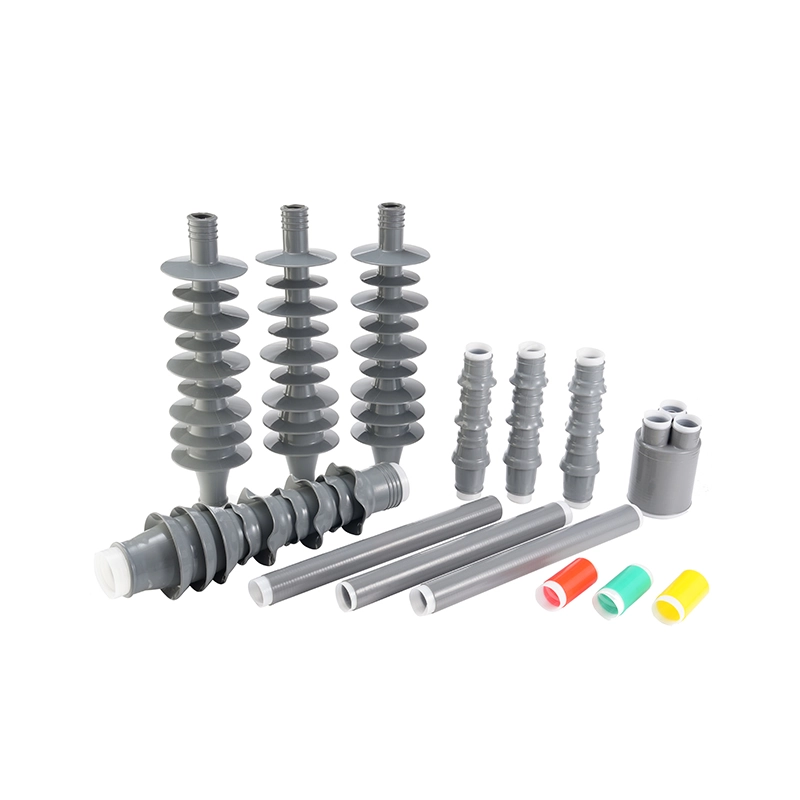
Series A: Cold Shrink
Cold Shrink Accessories
Installation-friendly solutions with stable interface pressure and strong field adaptability. No heat required.
Selection Tip: Need help choosing between Cold vs. Heat shrink? Share your cable specs (XLPE/EPR) and installation environment via RFQ for a coordinated recommendation.
Engineering Workflow
How to Select Cable Accessories
Follow this 5-step process to select cold shrink and heat shrink cable accessories with clearer technical alignment, lower mismatch risk, and faster RFQ confirmation.
01
Define Electrical Envelope
Confirm voltage class, cable system type, and insulation scope before choosing any cable accessories family.
LV / MVInsulation LevelApplication Scope
02
Lock Cable Interface Data
Verify conductor size, core count, cable structure, and sheath/armor details to avoid model mismatch.
Conductor mm²1C / 3CArmored / Unarmored
03
Choose Installation Route
Select cold shrink or heat shrink path based on site method, environment, and installation workflow.
Cold ShrinkHeat ShrinkField Conditions
04
Confirm Product Combination
Finalize required items across termination kits, joint kits, insulation tubing, and busbar protection modules.
TerminationJointTubing / Busbar
05
Submit Complete RFQ Package
Provide full technical inputs, quantity split, and timeline to shorten quotation cycle and improve execution efficiency.
Cable DataQuantity & ETADestination Market
Common Pitfalls
Choosing by unit price before cable data confirmation
Mixing cold shrink and heat shrink models without interface check
Ignoring installation environment and process constraints
This workflow helps you specify cable accessories with better technical clarity, reduces rework during confirmation, and supports faster RFQ-to-order conversion.
We support cable accessories projects with compatibility-focused engineering, clearer model mapping, and export-ready execution across cold shrink and heat shrink systems.
Series-Level Configuration
We map cable termination, cable joint, insulation tubing, and busbar protection as one coordinated accessories package.
Cold vs Heat Shrink Guidance
Selection recommendations are aligned to installation method, site condition, and cable interface constraints.
Structured RFQ Inputs
Clear inquiry templates reduce revision loops and help teams lock model boundaries faster for procurement execution.
Responsive Export Support
Fast technical communication and export-oriented documentation support help accelerate cross-border project timelines.
Project Fit
Suitable for utility and industrial cable projects requiring stable accessory compatibility and clear execution paths.
Cold ShrinkHeat ShrinkTermination & Joint
Project Scenarios
Applied Engineering Context for Cable Accessories
Cable accessories configuration should follow operating environment and maintenance logic.
We map accessory combinations to real project scenarios to reduce mismatch risk and improve execution speed.
Engineering Support & Documentation for Cable Accessories
Our support workflow is structured for EPC/OEM procurement and utility cable projects, covering everything from cable data confirmation to installation documents for cold shrink cable accessories and heat shrink cable accessories.
DOC-01
Datasheets & Installation Drawings
Standardized documentation package for cable accessories selection, technical comparison, and project submission.
Termination and joint structure drawings
Voltage class and conductor range sheets
Model mapping for RFQ clarity
ENG-02
Cable Interface Matching
Pre-order validation for cable size, insulation thickness, and accessory fit to reduce installation mismatch on site.
Conductor cross-section confirmation
Cable insulation/O.D. compatibility check
Indoor/outdoor application review
APP-03
Application Guidance
Structured inputs for choosing cold shrink or heat shrink cable accessories based on environment and maintenance logic.
Cold shrink vs heat shrink recommendation
Termination/joint use-case guidance
Project condition checklist support
QMS-04
Quality & Inspection Records
Traceable quality files and routine inspection outputs for procurement review and delivery acceptance.
Routine inspection records
Lot-level traceability references
Batch-aligned document sets
EXP-05
Export Documentation
Commercial and shipping document support for international cable accessories procurement and customs clearance.
Commercial Invoice & Packing List
HS code declaration support
Document consistency check
COM-06
RFQ Communication Flow
Clear handoff format between engineering and procurement to accelerate quote confirmation for cable accessory projects.
RFQ checklist by accessory family
Review → Confirm → Quote cycle
Cross-team template alignment
Support ScopeTechnical + Commercial + Docs
Primary Use CaseEPC/OEM Cable RFQ & Utility Projects
Cable accessories are connection and insulation components used for cable termination, jointing, insulation recovery, and environmental sealing in MV cable systems, including cold shrink and heat shrink product families.
No. Voltage class is the first filter. Final selection should also confirm conductor cross-section, cable insulation diameter, environment (indoor/outdoor), and installation constraints.
Cold shrink is often preferred for installation consistency and no-flame work conditions, while heat shrink is widely used for structured sleeve systems and cost-effective project deployment. Choice depends on site process, tooling, and maintenance preferences.
Termination kits are used at cable ends for equipment connection and stress control, while joint kits connect two cable sections in-line and restore insulation, shielding continuity, and mechanical protection.
Not always. Even when voltage class appears similar, dimensional windows and material systems can differ. Cross-brand replacement should be validated against cable structure and installation requirements before PO.
Yes. Retrofit is common for feeder upgrades and maintenance works. Confirm legacy cable dimensions, service conditions, and operating history to reduce on-site rework risks.
Include voltage class, conductor size, cable type and dimensions, indoor/outdoor use, required quantity, and target product family (termination/joint/tubing). Drawings or photos will speed up technical confirmation.
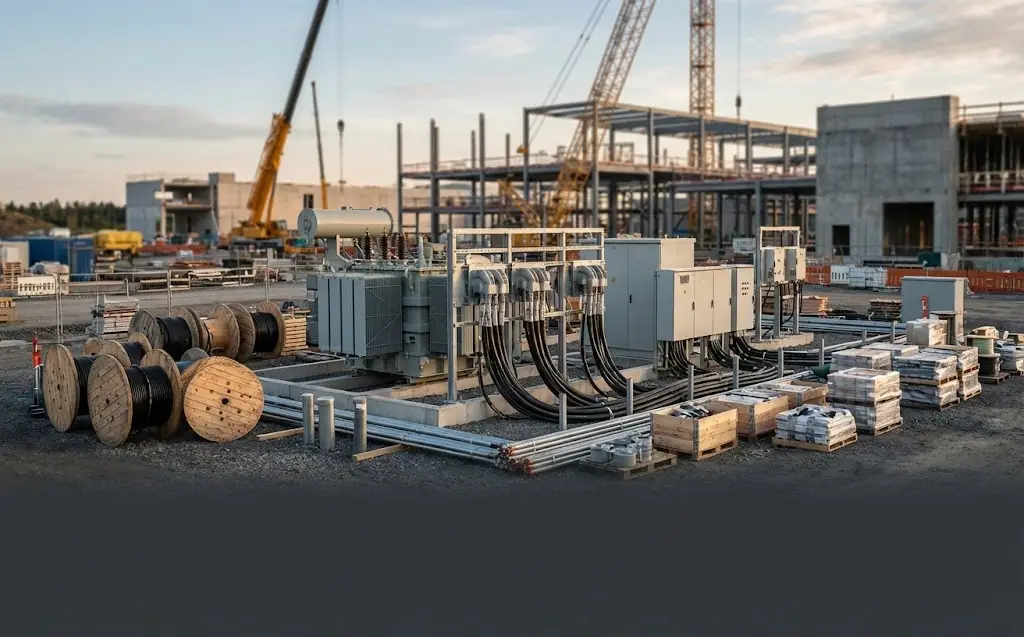
Utility distribution expansion, industrial feeder deployment, EPC package substations, and brownfield cable replacement projects often require coordinated termination, joint, and insulation accessory planning.
Run a pre-order check using cable data sheets, dimensional verification, and application mapping by environment and voltage class. Early matching is more efficient than correction during installation.
Yes. IEC cable system standards are widely used for design and installation context. Project execution should still follow local regulations, utility requirements, and approved engineering specifications.
We've detected you might be speaking a different language. Do you want to change to:

 English
 한국어
한국어 العربية
 Español
 हिन्दी
 தமிழ்
தமிழ் Deutsch (Sie)
 Français
 Português do Brasil
 Русский