Transformer Accessories Series

Bay-O-Net Fuse Assembly for Distribution Transformers

15/25kV class sidewall-mounted Bay-O-Net fuse assembly engineered for oil-filled transformer protection, with dead-front safety, hot-stick operation, and stable field service performance.

PRNT-15/25kV Available Fast Technical Response Export Documentation
Voltage Class 15/25kV
BIL / Full Wave Crest 150 kV
Application Oil-Filled Distribution Transformers
Product Definition

What Is a Bay-O-Net Fuse Assembly in a Transformer Protection System?

A bay-o-net fuse assembly is a serviceable protection interface used in oil-filled distribution transformers. It combines a transformer-mounted housing and a replaceable fuse holder structure to support safe maintenance access and stable insulation performance. In practical transformer applications, bay-o-net assemblies are used as part of the protection architecture where serviceability and field replacement efficiency are required.

Service Safety — supports dead-front maintenance workflow with hot-stick operation concept.
Interface Reliability — provides a stable mounted interface between the transformer tank opening and fuse holder structure.
Maintenance Practicality — integrated structure design helps reduce service disruption during fuse replacement.
The next section presents the currently available 15/25kV variant data and confirmed engineering characteristics.
Service Access
External / Hot-stick Operation
Core Assembly
Bay-O-Net Fuse Holder
+ Housing Interface
Mounting Base
Transformer Tank Sidewall
Product Variant

15/25kV Bay-O-Net Fuse Assembly

This section presents ZeeyiElec’s currently available Bay-O-Net fuse assembly for oil-filled distribution transformer protection, with sidewall mounting and dead-front service safety.

PRNT-15/25kV | Sidewall-Mounted Bay-O-Net Fuse Assembly

Voltage Class 15/25kV
Model PRNT-15/25kV
Mounting Sidewall-mounted
Application Oil-filled transformers
Operation Hot-stick operation
Safety Front Dead-front construction
Dielectric (BIL) 150 kV
1-min Withstand 50 kV (60Hz)
The integrated flapper valve mechanism helps reduce oil spillage during fuse holder removal, supporting cleaner and safer maintenance workflows in field operation.
Request Quote
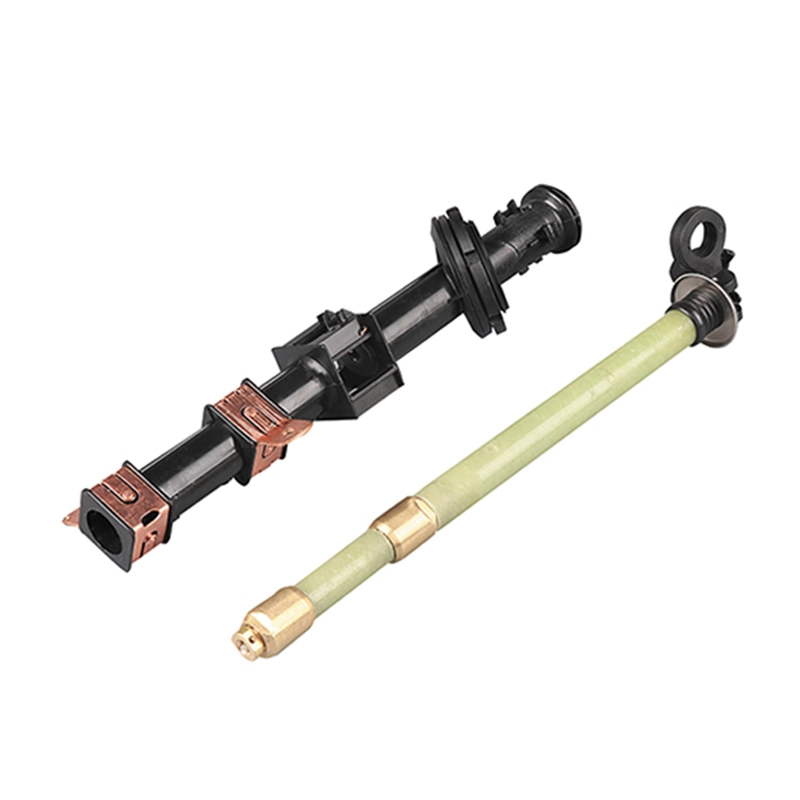
ZeeyiElec 15/25kV Bay-O-Net fuse assembly for sidewall transformer installation
Maintenance Safety
Dead-front design with hot-stick operation for safer handling.
Field Service Practicality
Flapper valve structure to minimize oil spill during replacement.
Transformer Compatibility
Configured for sidewall-mounted installation on oil-filled distribution transformers.
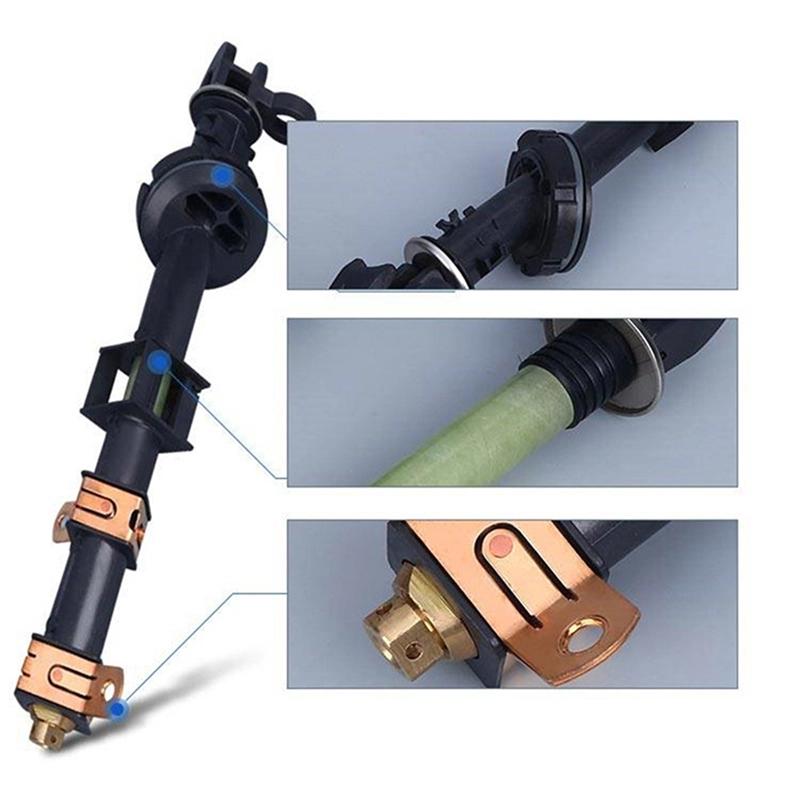
Bay-O-Net fuse assembly detail view showing holder interface, sealing and contact components
Current page data covers the 15/25kV class variant. For other voltage classes, please contact ZeeyiElec for project-based engineering confirmation.
ENGINEERING SPECIFICATIONS

Bay-O-Net Engineering Specifications
(15/25kV Class)

The following data summarizes the currently confirmed engineering specifications for ZeeyiElec PRNT-15/25kV Bay-O-Net fuse assembly.

Parameter
Value
Product Model
PRNT-15/25kV
Product Type
Bay-O-Net Fuse Assembly
Voltage Class
15/25kV
Mounting Type
Sidewall-mounted
Application
Oil-filled distribution transformers
BIL / Full Wave Crest
150 kV
AC Withstand (1 min, 60Hz)
50 kV
Operation Method
Hot-stick operation
Front Construction
Dead-front
Spill Control Feature
Integrated flapper valve

Design & Service Notes

  • The dead-front and hot-stick operable design supports safer field maintenance procedures.
  • The integrated flapper valve helps minimize transformer oil spillage when the fuse holder is removed.
  • This specification block is configured for the currently available 15/25kV class product variant.
Data Scope

This section currently covers the PRNT-15/25kV Bay-O-Net fuse assembly only. For additional voltage classes or project-specific requirements, contact ZeeyiElec engineering support.

Why ZeeyiElec

Reliable Bay-O-Net Fuse Assembly Supply for Transformer Projects

Beyond product structure, project success depends on consistency, documentation, and response efficiency. ZeeyiElec supports Bay-O-Net fuse assembly sourcing with export-oriented workflow and engineering-aligned communication.

Consistent Production Control

Stable process control for repeatable product quality across production batches.

Engineering-Aligned RFQ Review

Requirement review based on application context to reduce mismatch risk before quotation.

Documentation Readiness

Support for datasheets, drawings, and routine quality documents required by project teams.

Export Packaging Workflow

Structured packing and shipment coordination for international B2B deliveries.

Responsive Technical Communication

Fast feedback loop for technical clarification, revision requests, and quote updates.

Project-Based Supply Support

Flexible support for ongoing transformer accessory procurement and repeat orders.

Application Scenarios

Where Bay-O-Net Fuse Assemblies Are Commonly Applied

Bay-O-Net fuse assemblies are typically used in oil-filled distribution transformer systems where serviceability, protection coordination, and field maintenance practicality are important.

Utility Distribution Networks

Used in distribution transformer installations requiring routine maintenance accessibility and stable protection interface performance.

Industrial Power Distribution

Suitable for factory and industrial park transformer systems where maintenance downtime and replacement efficiency matter.

Renewable Integration Feeders

Applied in transformer nodes supporting renewable-connected distribution lines with practical service access requirements.

Retrofit & Service Replacement

Supports maintenance and replacement workflows in existing oil-filled transformer installations during lifecycle upgrades.

Application fit should always be verified with voltage class, mounting interface, and protection coordination requirements. The next section provides a practical Bay-O-Net selection guide.
Selection Guide

How to Select the Right Bay-O-Net Fuse Assembly

A practical Bay-O-Net selection process should start from system fit rather than part appearance. Confirming voltage class, mounting interface, and protection coordination inputs before RFQ helps reduce mismatch risk.

1

Confirm System Voltage Class

Verify the transformer application voltage class and confirm whether the required configuration matches the currently available 15/25kV Bay-O-Net assembly scope.

2

Check Mounting & Interface Fit

Confirm sidewall installation conditions and interface compatibility between transformer opening and assembly structure.

3

Review Protection Coordination

Prepare protection coordination information needed for fuse assembly matching within your transformer protection scheme.

4

Validate Documentation

Align required datasheets, drawings, and quality documentation with procurement and project approval workflow.

RFQ Preparation Checklist

Transformer application type
Required voltage class
Sidewall-mounted confirmation
Existing interface constraints
Project environment context
Required documentation list
Target quantity & region
Project timeline notes
Note on Compatibility

Selection based only on visual similarity may cause interface mismatch or protection coordination issues. Engineering confirmation before ordering is strongly recommended.

In the next section, ZeeyiElec outlines quality and documentation support for Bay-O-Net project execution.
Quality & Documentation

Quality and Documentation Support for Bay-O-Net Projects

For transformer accessory procurement, quality consistency and documentation clarity are as important as product structure. ZeeyiElec supports Bay-O-Net projects with workflow-based quality control and export-oriented document coordination.

Quality Control Workflow

1

Incoming Material Check

Key materials and components are checked against internal acceptance criteria before production release.

2

In-Process Quality Control

Critical process points are monitored to maintain batch consistency and interface reliability.

3

Pre-Shipment Verification

Final visual and functional checks are completed before packing and shipment arrangement.

Documentation Package (On Request)

Product datasheet
Dimensional drawing (if applicable)
Routine inspection record
Packing list & shipment documentation support
Commercial invoice coordination
Technical clarification records for RFQ alignment
Batch Consistency Focus

Production and inspection workflow emphasizes repeatable output quality.

RFQ-to-Doc Alignment

Technical documentation is aligned with RFQ scope to reduce approval delays.

Drawing & Data Coordination

Support for key technical files required by engineering and procurement teams.

Inspection Record Support

Routine quality records can be prepared according to project communication needs.

Export Document Collaboration

Support for international shipment documentation workflow and cross-team coordination.

Communication Traceability

Requirement changes and clarifications are tracked for cleaner project execution.

For common technical and sourcing questions, see the FAQ & Resources section below.
FAQ & Resources

Bay-O-Net Fuse Assembly FAQ

Below are common technical and sourcing questions for Bay-O-Net fuse assembly selection and project communication.

What is a Bay-O-Net fuse assembly used for?
A Bay-O-Net fuse assembly is used in oil-filled distribution transformer protection systems to support serviceable fuse replacement and maintenance operations.
Is this page covering one voltage class or multiple classes?
This page currently covers the confirmed 15/25kV class variant. For additional voltage-class requirements, project-based confirmation is required.
What installation type is currently supported?
The currently available version is configured for sidewall-mounted transformer applications.
Why is dead-front design important in Bay-O-Net applications?
Dead-front design helps improve maintenance safety by reducing exposed live-interface risk during service operations.
What is the role of hot-stick operation?
Hot-stick operation supports practical field maintenance procedures and helps standardize replacement workflows.
How does the flapper valve structure help in maintenance?
The integrated flapper valve helps reduce oil spillage when the fuse holder is removed for service.
What information should be prepared before RFQ?
Recommended inputs include required voltage class, installation condition, interface constraints, target quantity, destination market, and required documentation list.
Can Bay-O-Net selection be done by appearance only?
No. Visual similarity alone is not sufficient. Selection should be validated by system fit and protection coordination requirements.
What documents can be coordinated during procurement?
Typical support may include product data references, drawing coordination (if needed), routine quality records, and export documentation workflow alignment.
How can I get a project-specific recommendation?
Submit your project requirements through the RFQ channel so the engineering and commercial teams can align recommendations with your application context.