Transformer Accessories for Distribution Power Systems
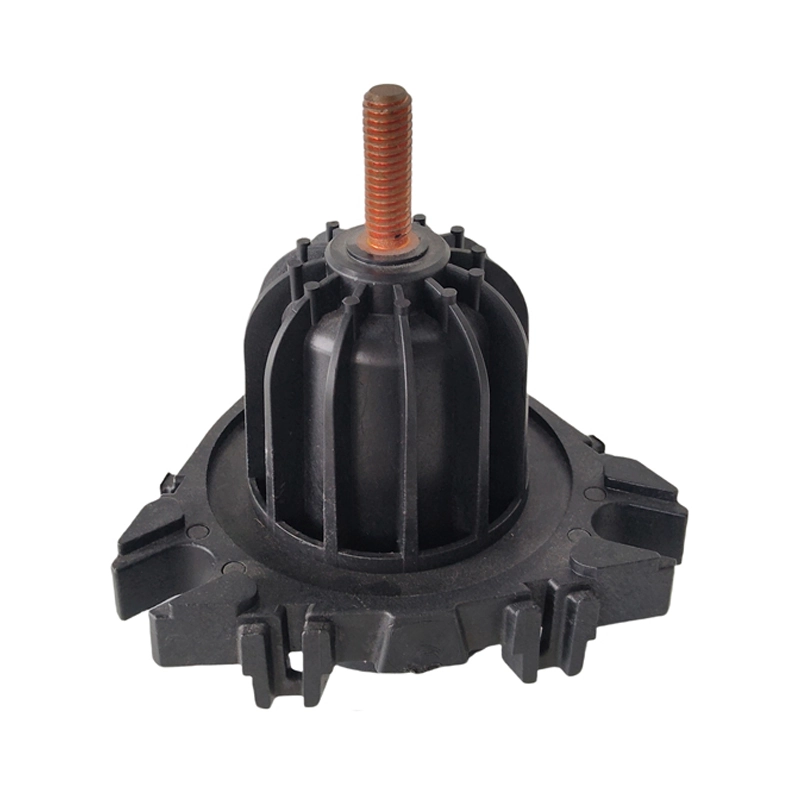
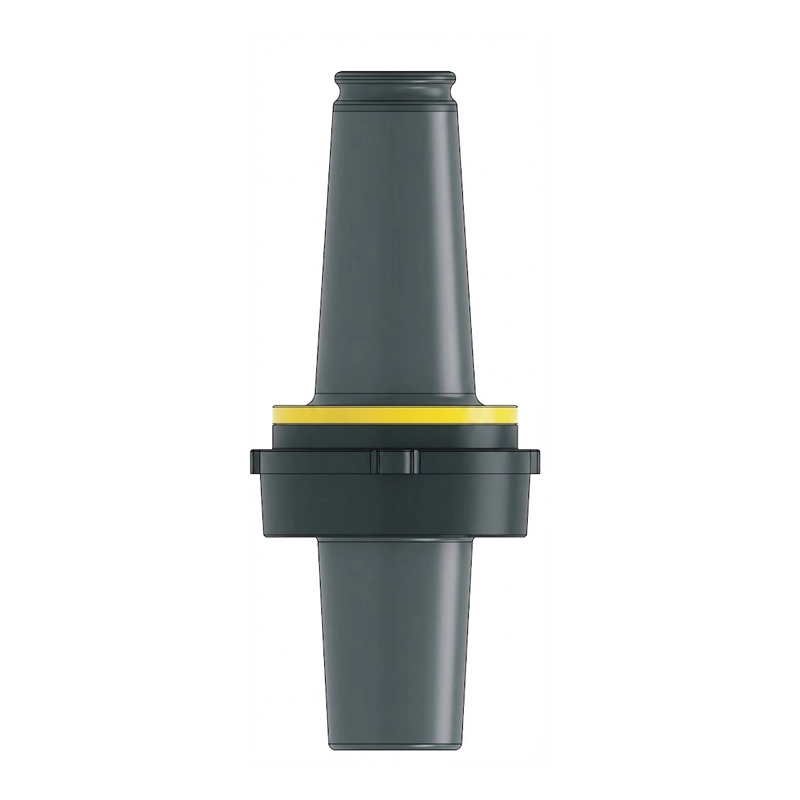
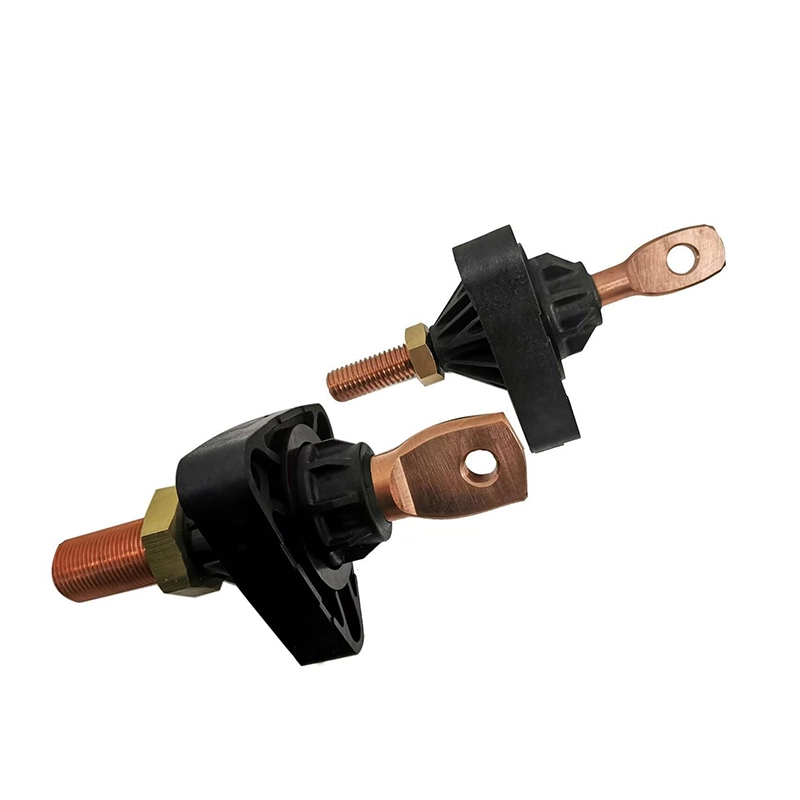
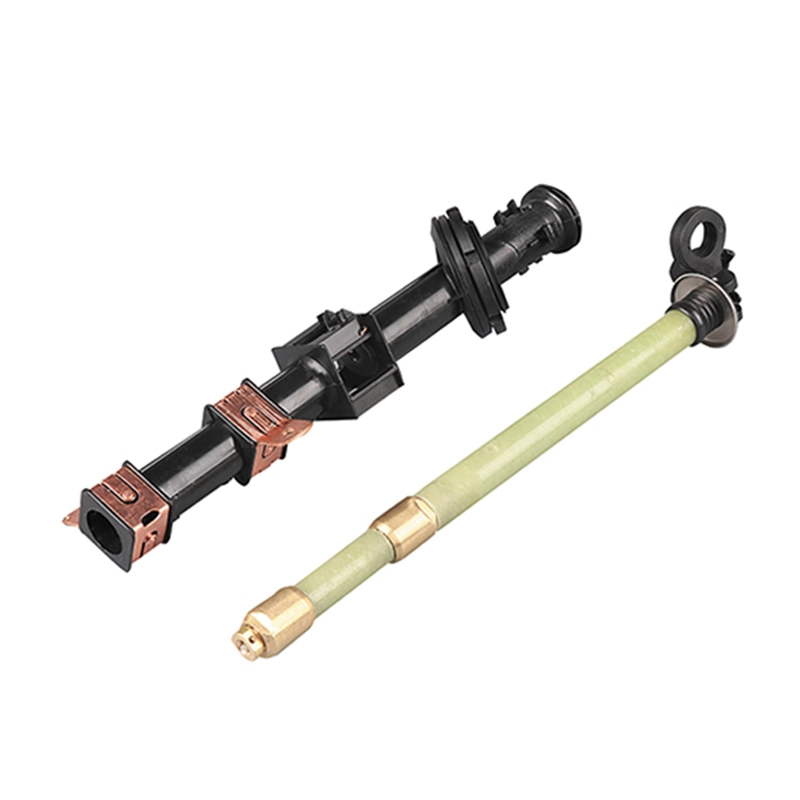
Source medium-voltage and low-voltage transformer accessories from one engineering-oriented supplier, including bushings, bushing well inserts, bay-o-net fuse assemblies, current limiting fuses, loadbreak switches, and off circuit tap changers.
7 Product Series Coverage
•
Fast Technical Response
•
Export Documentation Support
Product FamiliesBushings, Fuse, Switch, Tap Changer
ApplicationDistribution Transformers
Technical Overview
What Are Transformer Accessories?
Transformer accessories are critical interface components that support insulated connection, fault protection,
switching operations, and voltage adjustment in distribution transformer systems.
Transformer accessories form the functional layer around the transformer body. In real projects, they should be selected
as a coordinated system rather than independent parts, so that electrical compatibility, insulation performance,
and operational safety can be maintained throughout the service lifecycle.
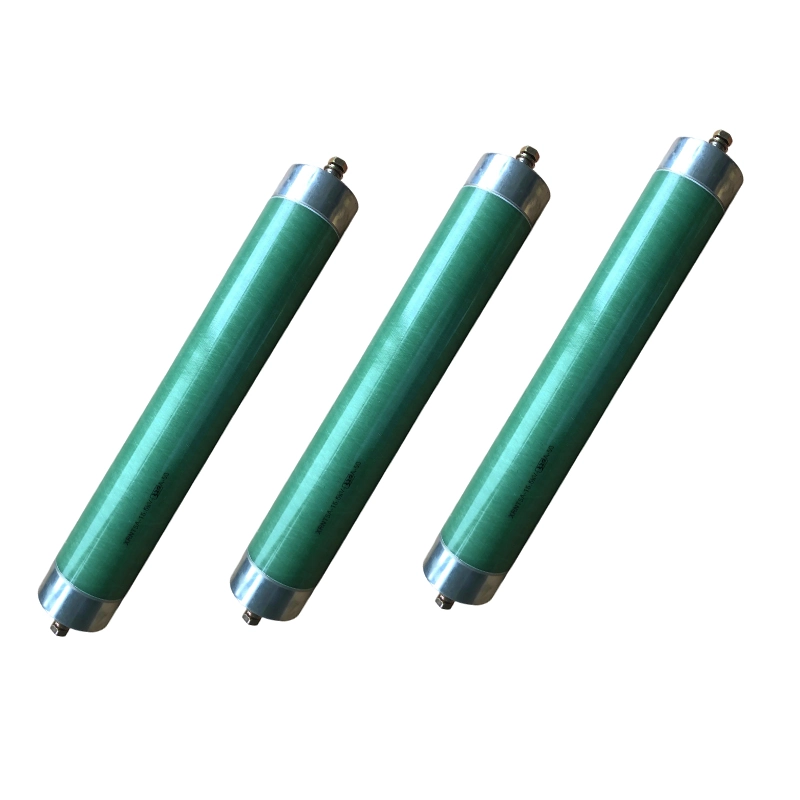
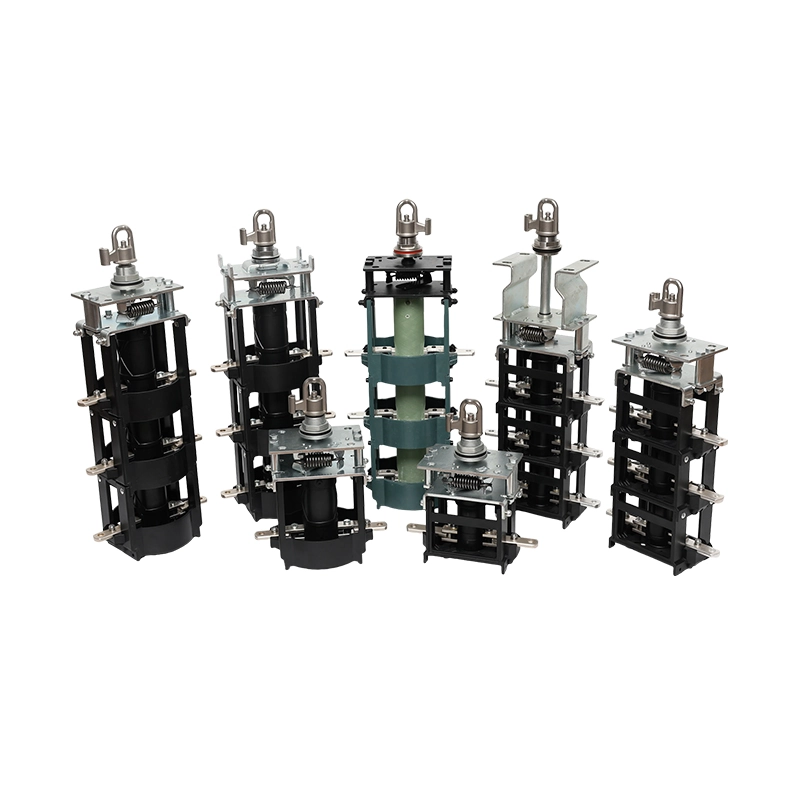
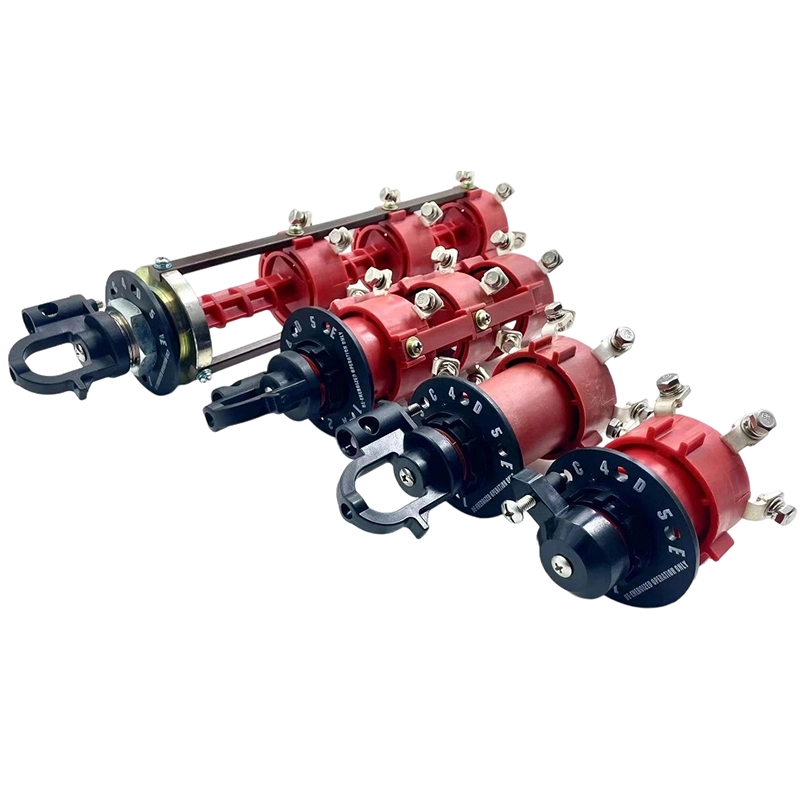
Typical product families include bushings and inserts for connection interfaces, bay-o-net fuse assemblies and current limiting fuses
for protection coordination, loadbreak switches for operational control, and off circuit tap changers for ratio adjustment.
For procurement teams, system-level selection reduces mismatch risk, shortens technical confirmation cycles, and improves RFQ-to-delivery efficiency.
Engineering Insight
Start with voltage class and interface dimensions, then confirm protection and operation components.
Most on-site issues appear at connection interfaces, not inside the transformer tank.
Follow this 5-step sequence to reduce interface mismatch, improve protection coordination,
and speed up RFQ confirmation for transformer accessories projects.
01
Define Electrical Envelope
Confirm voltage class, insulation requirement, and current path first to filter viable accessory families.
Voltage ClassBILCurrent Rating
02
Lock Interface Fit
Verify mating geometry and mounting dimensions between bushings, inserts, and transformer-side interfaces.
Mounting HoleInterface DimsMaterial Match
03
Validate Protection Coordination
Coordinate Bay-O-Net and current limiting fuse strategy as a matched protection set, not isolated items.
Primary FuseBackup FuseTCC Curves
04
Confirm Operation Needs
Define switching and voltage adjustment requirements for loadbreak switch and off circuit tap changer selection.
Switching PlanTap RangeMaintenance Logic
05
Finalize RFQ Package
Submit complete technical inputs, quantity, and delivery window to reduce revision cycles and shorten quote lead time.
DatasheetDrawingsQuantity & Timeline
Common Pitfalls
Selecting by price before interface confirmation
Separating fuse items without coordination logic
Ignoring tank-side mounting constraints
RFQ Essentials
Application environment and transformer type
Target accessory families and ratings
Required standards or compliance scope
Quantity and expected delivery window
Expected Result
This workflow creates a clearer transformer accessories specification path, lowers engineering rework risk,
and accelerates procurement execution.
Capability Layer
Why Global Buyers Choose ZeeyiElec
We support accessories projects with compatibility-focused engineering, coordinated protection logic, and export-ready execution.
Series-Level Matching
We align bushings, inserts, and protection devices as one system, reducing interface mismatch risks during installation.
Protection Coordination
Bay-O-Net and ELSP fuses are reviewed as a coordinated strategy, preventing fragmented protection decisions.
Documentation Discipline
Clear RFQ structure and export-ready documentation flows support international specification reviews.
Responsive Engineering
Fast clarification on ratings and configuration boundaries accelerates consensus and shortens procurement cycles.
Project Fit
Ideal for Utility & Industrial transformer projects requiring high compatibility.
Applied Engineering Context for Transformer Accessories
Transformer accessories configuration should follow operating environment and maintenance logic.
We map accessory combinations to real project scenarios to reduce mismatch risk and improve execution speed.
Our support workflow is structured for EPC/OEM procurement and utility projects, covering everything from interface confirmation to export document alignment.
DOC-01
Datasheets & Drawings
Standardized documentation package to support accessory selection and bid-stage comparison.
Dimensional interface drawings
Electrical class summary sheets
Model mapping for RFQ clarity
ENG-02
Interface Matching
Pre-order validation for mating geometry to reduce installation conflict during commissioning.
Bushing/insert mounting check
Accessory combination review
Legacy constraint confirmation
PRT-03
Protection Inputs
Structured data for teams aligning Bay-O-Net and backup fuse logic in protection schemes.
TCC curve references
Coordination workflow notes
Parameter inputs for engineers
QMS-04
Quality & Inspection
Traceable quality file outputs for project archive and delivery acceptance requirements.
Routine inspection records
Lot-level traceability
Batch-aligned document sets
EXP-05
Export Documentation
Full commercial and shipping documentation support for international procurement.
Commercial Invoice & PL
HS Code declaration support
Customs-ready consistency
COM-06
Communication Flow
Clear handoff format between engineering and procurement to improve quote speed.
Transformer accessories are the functional components around the transformer body for connection, switching, protection, and adjustment—
such as bushings, inserts, Bay-O-Net fuse assemblies, current limiting fuses, loadbreak switches, and off circuit tap changers.
No. Voltage class is only the first filter. Final selection should include interface dimensions, thread/terminal format, current path, installation boundary, and project standard requirements.
In many protection schemes, Bay-O-Net provides thermal/overload-oriented response while current limiting fuse addresses high-fault current conditions.
They should be reviewed as a coordinated pair, not independent purchases.
A loadbreak switch is used for switching/isolation under defined operating conditions, while an off circuit tap changer is for voltage ratio adjustment when de-energized.
Their roles are different and complementary.
Not always. Even with similar ratings, mechanical boundaries and interface standards can differ.
Cross-brand replacement should be validated by drawings and key dimensions before order confirmation.
Yes, retrofit is common. But you should verify tank-side boundary, mating interface, sealing structure, and protection logic compatibility to avoid site rework.
Include application type, voltage class, quantity, target accessory models/series, interface requirements, and any available drawings or BOM references.
Clear RFQ inputs usually speed up technical confirmation and quotation.
Utility distribution upgrades, industrial distribution systems, EPC/OEM packaged transformer delivery, and brownfield replacement projects often require combined accessory planning.
Run a pre-order review with interface/dimension check, protection role confirmation, and accessory-family mapping.
This is typically more effective than correcting mismatches during installation.
Yes. For general electrical installation framework and compliance context, NEC/NFPA resources are widely referenced.
Project-specific implementation should still follow local codes and engineering specifications.
We've detected you might be speaking a different language. Do you want to change to:


 English
 한국어
한국어 العربية
 Español
 हिन्दी
 தமிழ்
தமிழ் Deutsch (Sie)
 Français
 Português do Brasil
 Русский